 EN
7 Critical Maintenance Routines to Extend the Lifespan of Your woven bag printing machine Anilox Rollers
In a woven bag printing machine, the anilox roller is the controlled handoff between ink and plate. When its cells are clean, protected, and checked in context, the press team has a clearer basis for judging ink transfer. When residue, handling damage, or setup changes are ignored, the symptom may show up as uneven coverage, yet the cause still needs orderly review. This guide frames maintenance as a planned production routine rather than a last-minute reaction.
For a woven bag printing machine, roller care should follow the installed roller supplier’s instructions, the ink supplier’s compatibility guidance, and the press manual. Those documents determine the permitted cleaning method, pressure settings, and escalation route. The seven routines below provide a practical framework for organizing that work without making assumptions about a particular roller, coating, or job.
1. Clean at a defined point after every relevant run
Start woven bag printing machine maintenance by defining when the anilox roller will be cleaned: after a run, during a color change, or before a planned shutdown. Leaving a cleaning decision to memory makes it easy for dried ink to become the next shift’s problem. Use the approved cleaner, tools, dwell time, and personal-protection measures specified for the installed system; do not substitute a solvent or abrasive method simply because it was used elsewhere.
For an Anilox Roller Care for PP Woven Sack Printer routine, record the ink system, color, job conditions, and cleaning method. That short entry helps the next operator distinguish an observed transfer issue from a change in ink, substrate, plate, or setup.
2. Inspect the roller before and after cleaning
Cleaning and inspection are related but not identical. Before cleaning, note what is visible: residue bands, streaks, buildup near the ends, or an unusual pattern in the print. After cleaning, inspect again under the site’s approved lighting and magnification practice. On a woven bag printing machine, the useful question is not whether a roller “looks fine” from a distance; it is whether the observed condition calls for routine follow-up or a documented technical review.
A simple before-and-after check also discourages random adjustments. If a print-quality symptom remains after approved cleaning, review the material, ink condition, plate, doctor-blade setup, pressure, and operating settings in sequence. A woven bag printing machine is a process, so one visible result should not be assigned to one component without checks.
3. Protect cells during handling and storage
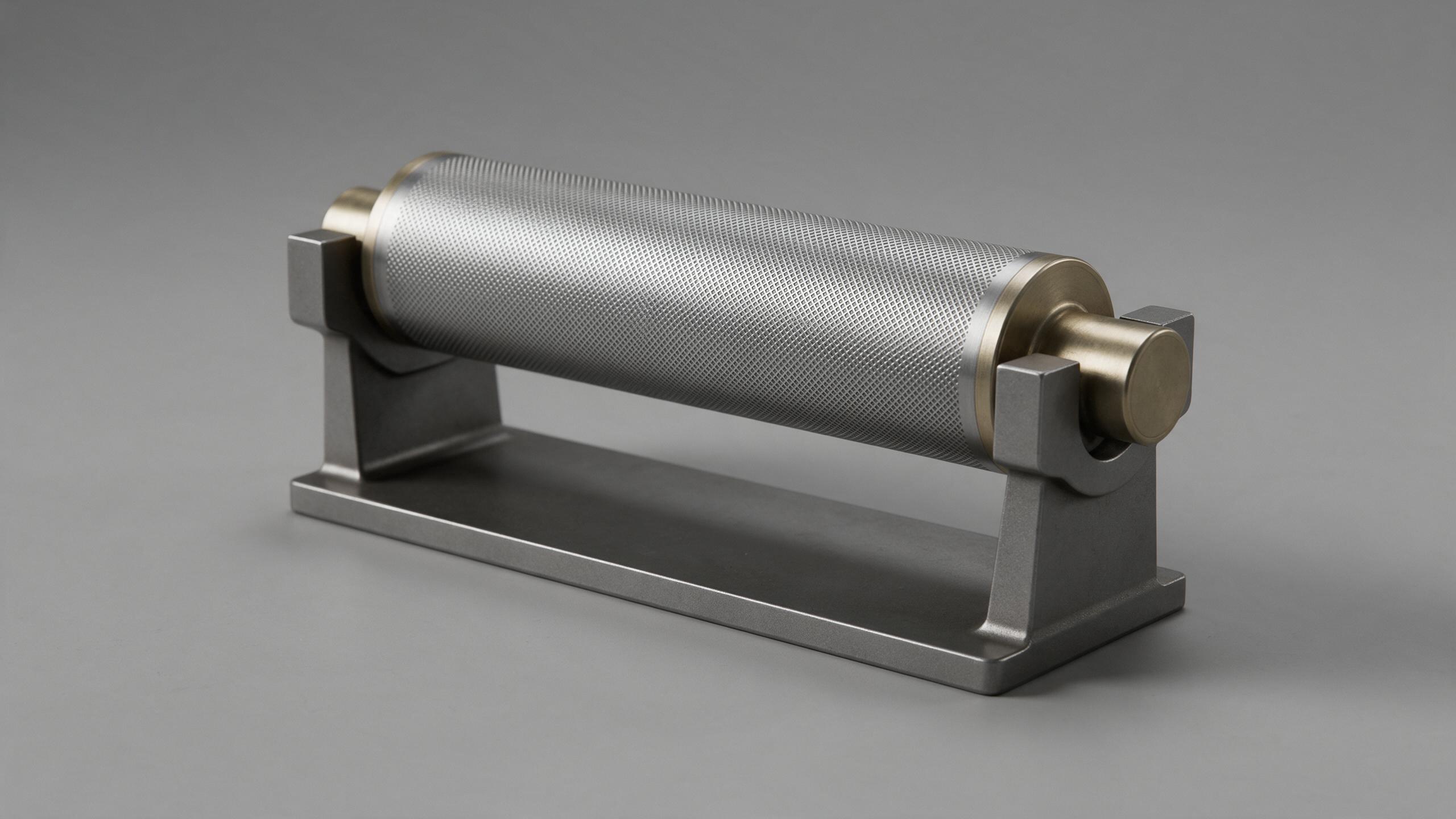
Many avoidable problems begin off the press. When an anilox roller is removed from a woven bag printing machine, use the lifting, support, covers, and storage method approved for that roller. Keep contact surfaces clean and avoid setting the engraved surface against benches, tools, or other hard edges. The goal is not to promise a fixed service life; it is to reduce avoidable exposure that can complicate later inspection.
Label stored rollers so the team can identify the job context and maintenance status without relying on memory. If the production area has frequent changeovers, a visible tag or digital record can make the next setup calmer and more repeatable.
4. Verify doctor-blade and chamber conditions as part of the routine
In a woven bag printing machine, anilox care should not end at the roller surface. Review the doctor-blade, chamber, seals, mounting condition, and approved pressure-setting procedure together. A blade issue, contamination, or setup change can affect the ink film seen on the plate, while excessive or unsuitable contact can create another maintenance concern. Follow the press documentation for replacement and adjustment; do not turn a general article into a substitute for the machine manual.
This is where woven bag printing machine Maintenance becomes a workflow, not a checklist of isolated parts. Record what was changed, who made the change, and what operating condition led to it. Those notes are more useful than trying several adjustments without a baseline.
5. Keep ink condition and the roller routine connected
Ink behavior, cleanliness, and transfer are interdependent. Before concluding that an anilox roller on a woven bag printing machine needs deeper service, confirm whether the current ink, viscosity-control practice, filtration, circulation, and contamination controls meet the approved job plan. The exact checks depend on the ink system and site procedure, so this article does not assign universal values.
During a run, observe the print result and process conditions together. If a symptom appears, capture the job, substrate, color, and time of observation before changing multiple variables. That discipline lets a team compare like with like on the woven bag printing machine rather than relying on a single recollection after the job has moved on.
6. Use planned deeper cleaning only when the approved method calls for it
Routine wiping is not a replacement for a planned cleaning program, and an aggressive cleaning action is not automatically a better choice. For a woven bag printing machine, schedule any deeper cleaning according to the roller manufacturer, press supplier, and site safety procedure. Confirm the chemistry, method, inspection point, and responsible person before the task starts. If there is uncertainty about compatibility, pause and obtain the relevant technical guidance.
A maintenance-focused review asks whether cleaning, access, adjustment, and inspection fit the team’s actual schedule. If they do not, the missing step should be made visible in the plan rather than hidden behind a vague instruction to “clean more often.”
7. Escalate with a useful record, not a guess
When repeated approved cleaning and normal setup checks do not explain an issue, prepare a concise record before requesting support. For the woven bag printing machine, include the roller identification, ink system, substrate, print observation, cleaning history, doctor-blade condition, and relevant operating context. Photos or measurements should follow your internal procedure and should be identified with the job conditions they represent.
This record helps a supplier or qualified technician evaluate the next step without assuming that the roller is the sole cause. It also gives the production team a reference for the next similar job.
A practical closing checklist
- Use only the approved cleaning method for the installed roller and ink system.
- Inspect and document conditions before and after cleaning.
- Handle and store the roller so its engraved surface is protected.
- Review the blade, chamber, seals, and approved setup procedure together.
- Capture ink, substrate, and job conditions before making broad adjustments.
- Schedule deeper cleaning through the approved technical route.
- Escalate recurring observations with a complete record.
A woven bag printing machine benefits from maintenance routines that make observations traceable. Use the checklist as a starting point, then confirm the exact cleaning materials, intervals, and inspection criteria with the documentation and technical contacts responsible for your installed equipment.
 Hot News