
 EN
Achieving 150 LPI Photographic Halftone Dots on Flexible Packaging with a CI plastic bag printing machine
A photograph on a flexible bag can look detailed on a monitor and muddy on the production roll. For a converter considering a plastic bag printing machine, the issue is not simply whether the press can run a fine screen. The image depends on the plate, ink, film, web control and measurement working together. A 150 LPI target is technically plausible in modern flexography, but it is not a performance promise for any particular press or substrate.
From a process planning perspective, start by defining the print you need to accept, then test it on the intended film. The following workflow turns a screen-count request into checks that a production team and equipment supplier can discuss before committing to a job.
What 150 LPI means for a printed image
Lines per inch describes the frequency of a halftone screen, not the resolution of a camera or the number of ink colors. At 150 LPI, nominal screen elements are spaced about 0.0067 inch apart, or approximately 169 micrometers. Individual dot size changes with the intended tone value; the spacing calculation is not a minimum printable dot specification.
Fine highlights, neutral transitions and shadow detail are useful inspection areas. A plate can carry a fine pattern yet the printed result may lose small dots or fill the spaces between larger ones. Ask the prepress provider which screen technology, minimum reproducible dot and tone compensation are suitable for the exact plate and process. Do not infer these values from the 150 LPI label alone.
Why a central impression layout matters
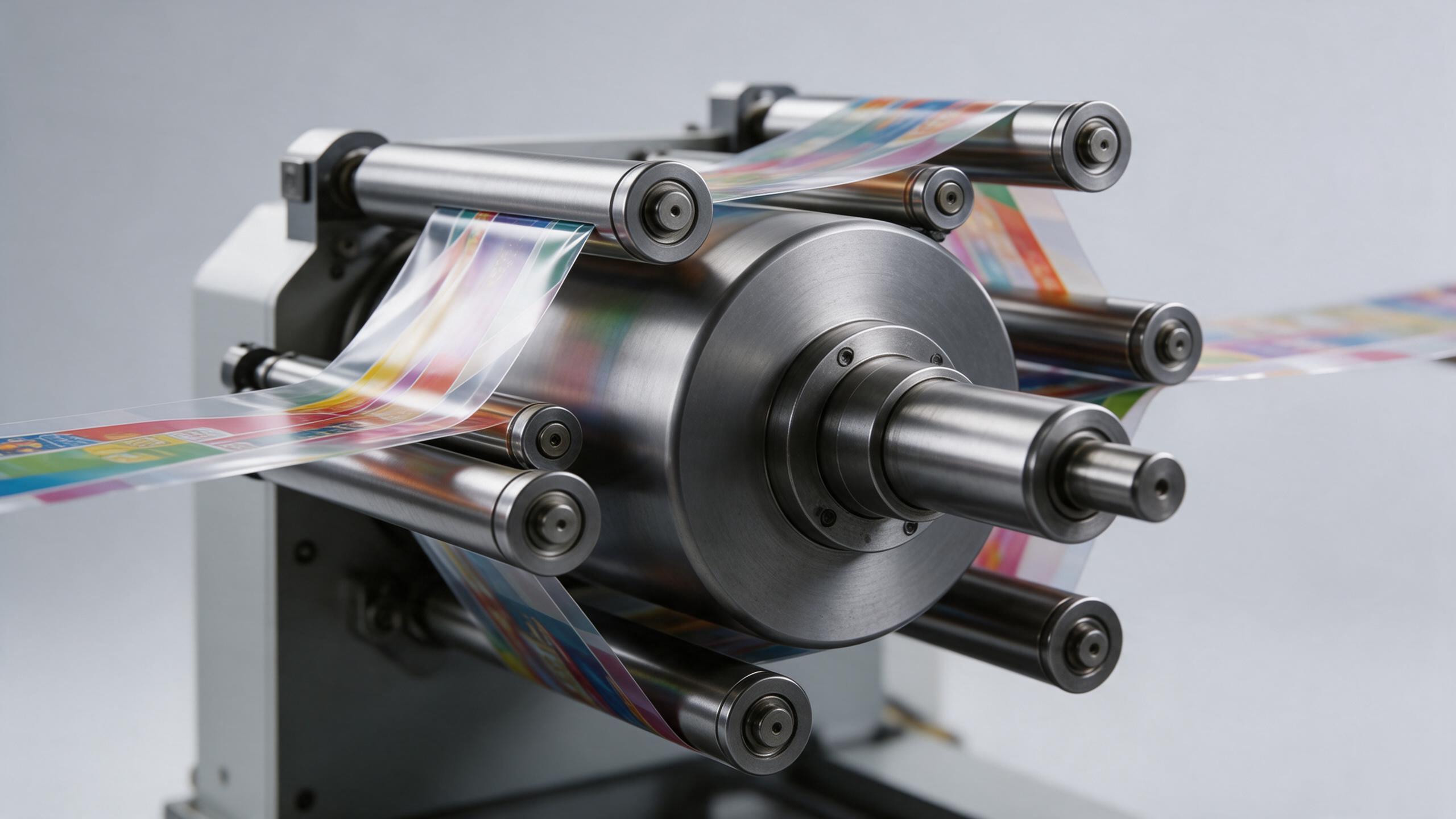
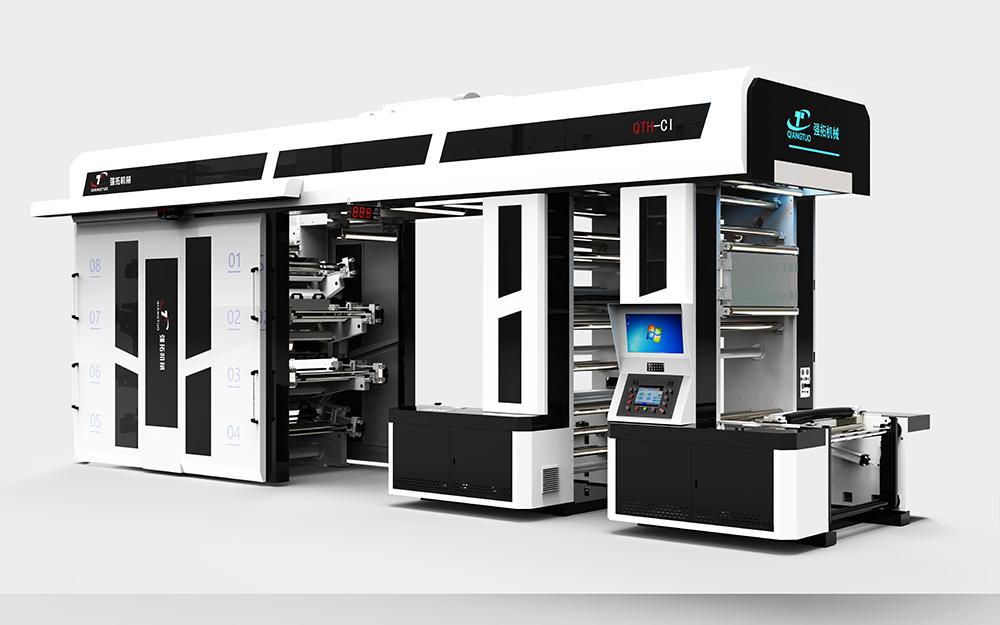
In a central impression, or CI, arrangement, multiple print stations work around a shared impression cylinder. Supporting the web around that cylinder can help limit movement between color impressions, an important consideration when a stretchable film carries detailed multicolor artwork. It does not remove the need to control tension, temperature, plate mounting or register.
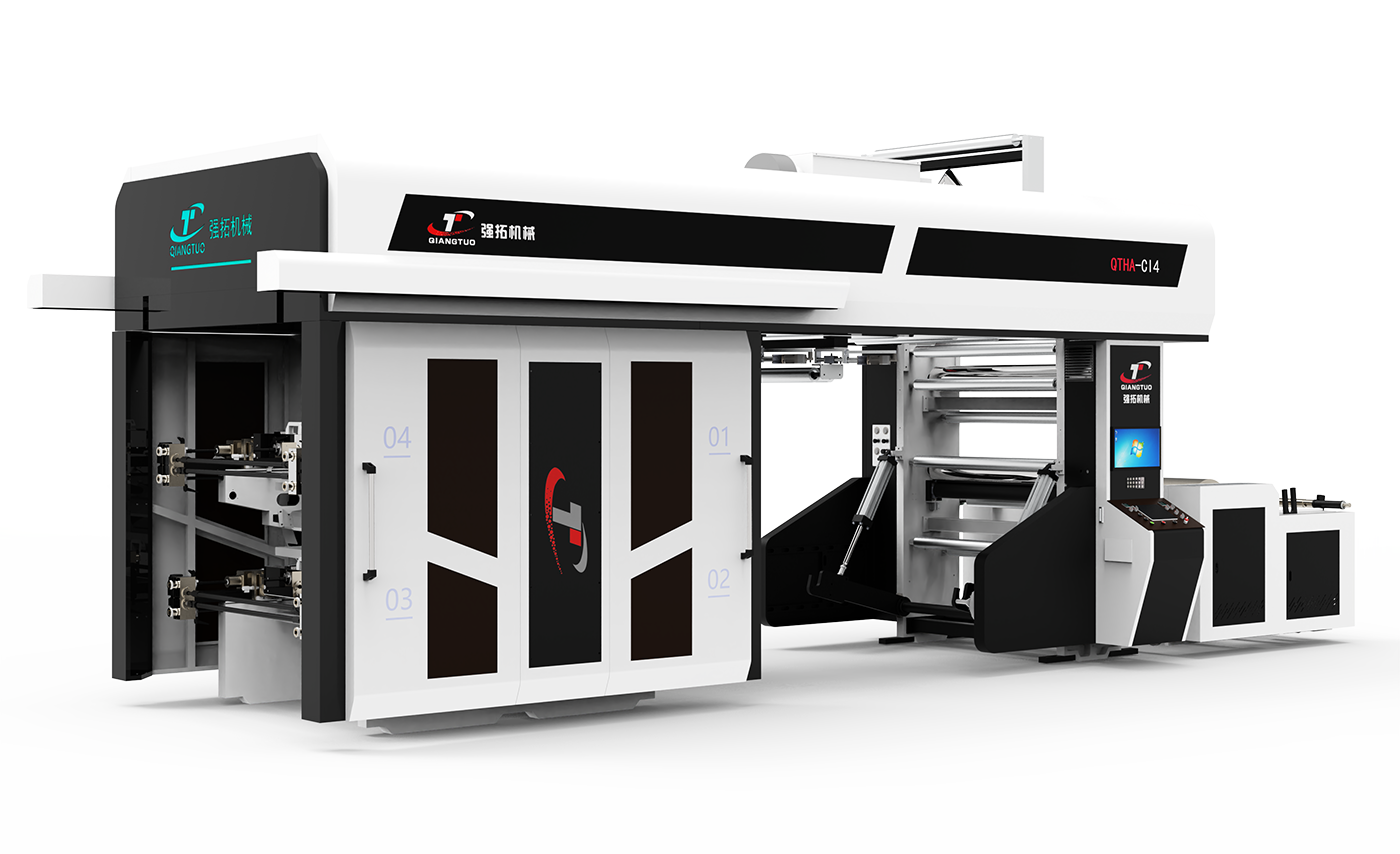
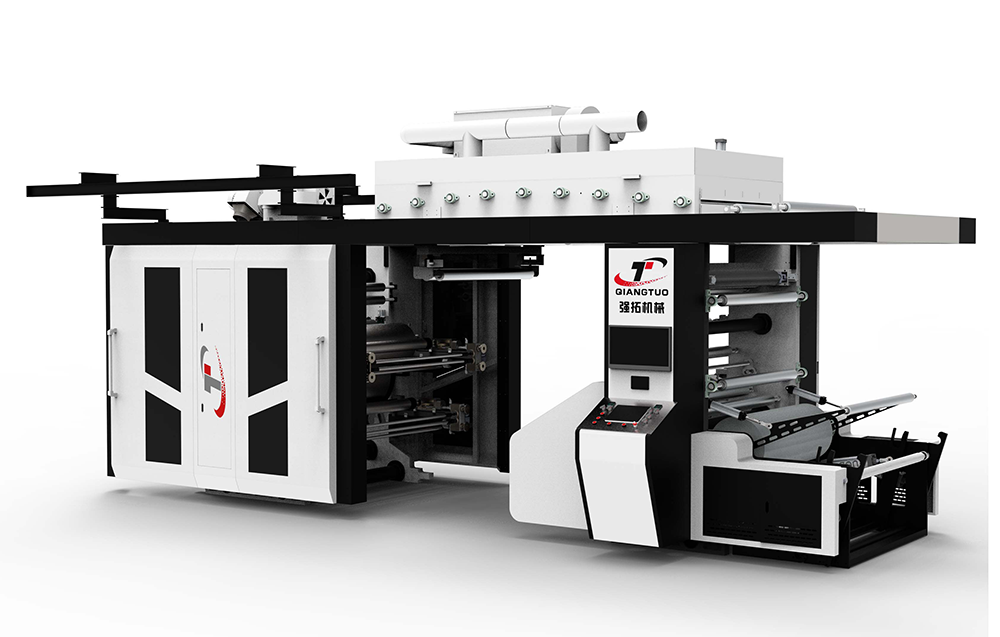
When comparing a plastic bag printing machine, distinguish its layout from its demonstrated output. A press description such as HD Central Drum Plastic Film Flexo Press is a starting point for questions, not evidence that every film and design will reproduce a 150 LPI image. Request a trial using the proposed configuration and the actual production materials.
Prepare film, artwork and plates as one system
Specify the film and ink side
Identify the polymer, thickness, film supplier and intended print side. Surface condition and treatment can affect wetting and adhesion; test them against the ink supplier's requirements rather than relying on an assumed value. Include any white underprint, lamination or downstream bag conversion in the trial plan. A result that looks sound on the press can change in appearance after later processing.
For a plastic bag printing machine, agree on how the film will be handled at the intended speed range. Observe web tension and tracking at startup and throughout the run. A thin or elastic web may react differently to heating, stopping and restarting. Record the film roll and machine settings so another team can repeat the conditions.
Build a measurable prepress target
Use the approved artwork together with a test strip that includes highlight, midtone and shadow patches, fine text, and register marks. The prepress team should identify the tone values in the file and plate, the screening method and plate mounting tape. Measured dot gain, also called tone value increase, is the difference between a nominal tone value and the corresponding printed measurement under the agreed method.
Printed dots can spread because of impression, plate deformation, ink transfer and the substrate. A calibrated compensation curve can adjust the plate file for measured process behavior, but a curve from another press or film is not automatically transferable. First stabilize the process, measure the result, then revise the curve with the plate supplier.
Set ink transfer and impression deliberately
The anilox roll meters ink to the plate. Its cell geometry, volume and screen interact with the plate pattern, ink and required color strength. A finer cell count alone is not proof of an acceptable print. Discuss anilox selection with the roll, ink and plate suppliers, and check for wear, contamination and consistent cleaning before the trial.
Use a controlled approach to impression: establish the lightest setting that transfers the image adequately across the web, following the press maker's procedures. Excess contact can widen dots and obscure fine detail; insufficient contact can leave an incomplete image. Change one setting at a time and retain labeled samples so the team can distinguish a real improvement from a change in several variables.
For a 150 LPI Halftone plastic bag printing machine trial, keep ink condition, drying and web handling consistent while comparing settings. Confirm that drying is adequate for the ink and material, and check whether additional heat changes the film or register. Consult the ink and equipment suppliers for safe operating limits; this article does not prescribe machine setpoints.
Run a trial that can be evaluated
Before starting a plastic bag printing machine trial, agree on the sample design, film, colors, run speed range, inspection equipment and acceptance criteria. Use the same measuring method and viewing conditions for the approved reference and each production sample. A visual match is useful, but a measured tone strip and register marks make it easier to diagnose why a photograph changes.
- Confirm film identity, treatment and ink compatibility, and document plate and anilox specifications.
- Set up at the agreed conditions and collect a labeled sample after the process stabilizes.
- Check highlights for missing or irregular dots, midtones for unwanted darkening, and shadows for filled areas.
- Inspect register and repeatability across the web and over the agreed run period; note the operating conditions with each sample.
- Review adhesion and downstream conversion on representative samples using methods agreed by the relevant suppliers and customer.
A single clean sample is not a production capability study. If the plastic bag printing machine produces a satisfactory image only at one setup, ask what happens when the roll changes or speed moves within the intended range. Record rejected as well as accepted samples; both show where the operating window may be narrow.
Troubleshoot the symptom, not just the screen
If highlights disappear, inspect plate reproduction and ink transfer before increasing pressure. If the image looks too dark, compare measured tone values with the approved reference and investigate impression, ink condition and compensation. If colors appear soft or fringed, inspect register, mounting and web behavior. A change to screening alone may mask rather than resolve the underlying cause.
Keep a short record of the original setting, adjustment, sample location and measured result. Escalate to the plate, ink or press supplier when the result falls outside the agreed limits. The record gives the team a clearer basis for deciding whether this job can use 150 LPI.
Questions to take to a supplier
Share the actual artwork, film construction, print width, colors, expected operating range and downstream process. Ask which configuration can be offered, how the supplier proposes to run a representative test, and what measurements will be supplied. Wenzhou Qiangtuo Machinery works in flexographic equipment for packaging; discuss the specific application and request confirmation of the proposed configuration rather than assuming a particular model meets the target.
A CI plastic bag printing machine can be evaluated as part of a complete imaging process. Define acceptance first, measure each trial consistently, and use the observations to select the plate, ink transfer and operating conditions for the job.
 Hot News