 EN
How Fast Can Sleeve-Type Plate Cylinders Cut Job Changeover Time on Your plastic bag printing machine?
A sleeve system can shorten the plate-handling part of a changeover, but there is no universal number of minutes saved. The useful answer for a plastic bag printing machine is the difference between two timed, comparable jobs: from the last accepted print of one order to the first accepted print of the next. Film threading, ink cleaning, registration and approval can still take longer than the sleeve exchange itself.
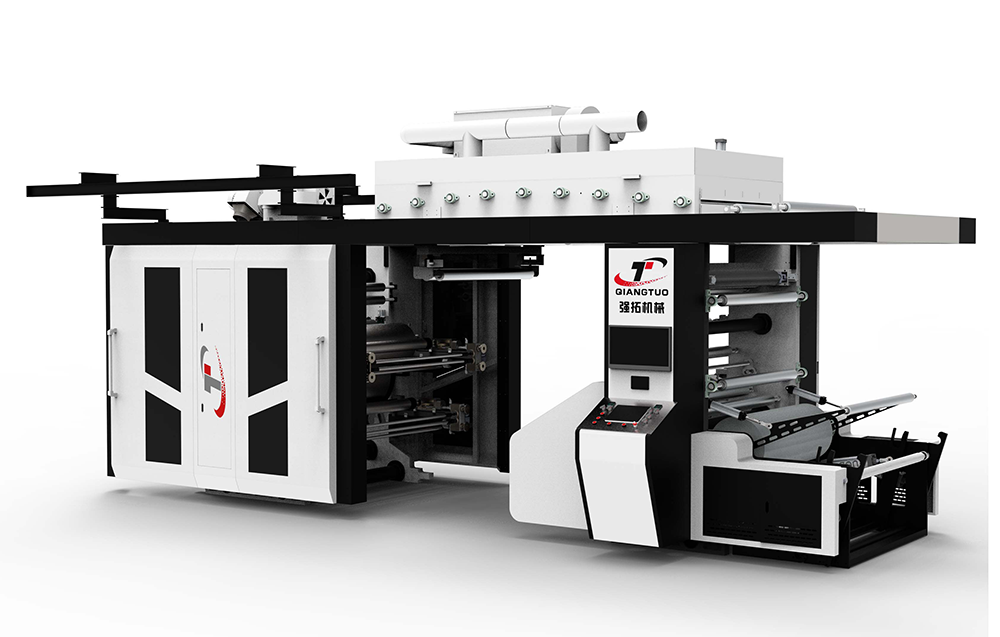
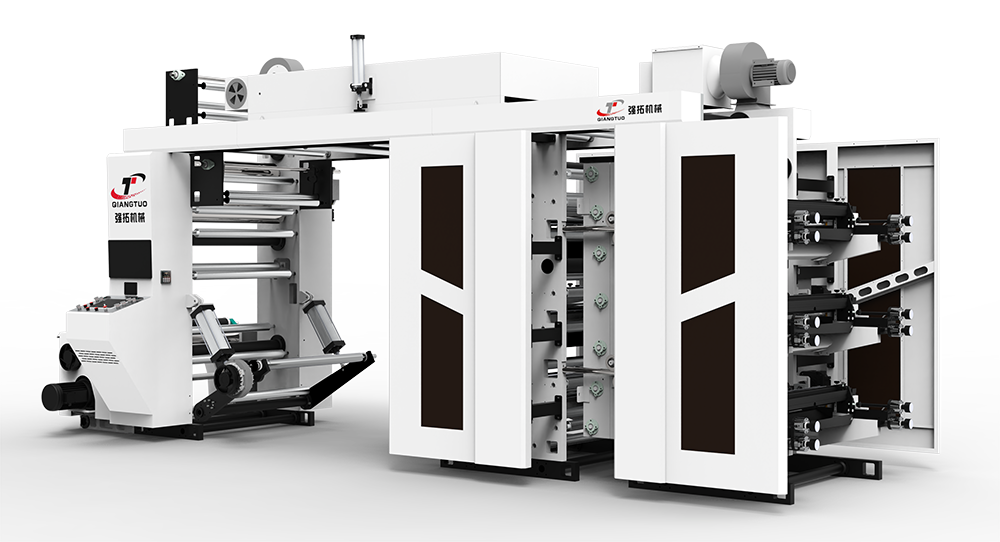
For an operator, the question is not simply how fast a cylinder comes out. It is whether the next set of plates, inks and job instructions is ready when the press stops. A sleeve-type plastic bag printing machine may support that workflow when its tooling, mounting equipment and staffing are matched to the work. The actual saving needs a trial on the intended configuration.
What changes when a press uses sleeves?
In a sleeve-based flexographic arrangement, a removable sleeve carries the plate over a supporting mandrel or adapter. In some designs, compressed air helps the sleeve slide on and off the mandrel. The precise sequence, required air supply, repeat range and handling equipment depend on the press and sleeve system; ask the supplier to demonstrate the proposed arrangement.
The practical difference is preparation. If a spare sleeve set and suitable plate-mounting equipment are available, the next artwork can be mounted and checked separately from the press while the current job runs. Once production stops, the team exchanges the prepared sleeves rather than performing every mounting task at the machine. This is a workflow possibility, not proof that every sleeve press will change over faster than every conventional cylinder system.
A conventional plastic bag printing machine with well-organized cylinder preparation may also make use of offline work. Conversely, a sleeve system with no spare tooling, inadequate air or an unprepared job can sit idle. Compare the complete process, including cleaning and approval, rather than only the moment a sleeve moves onto the mandrel.
How to measure the real changeover
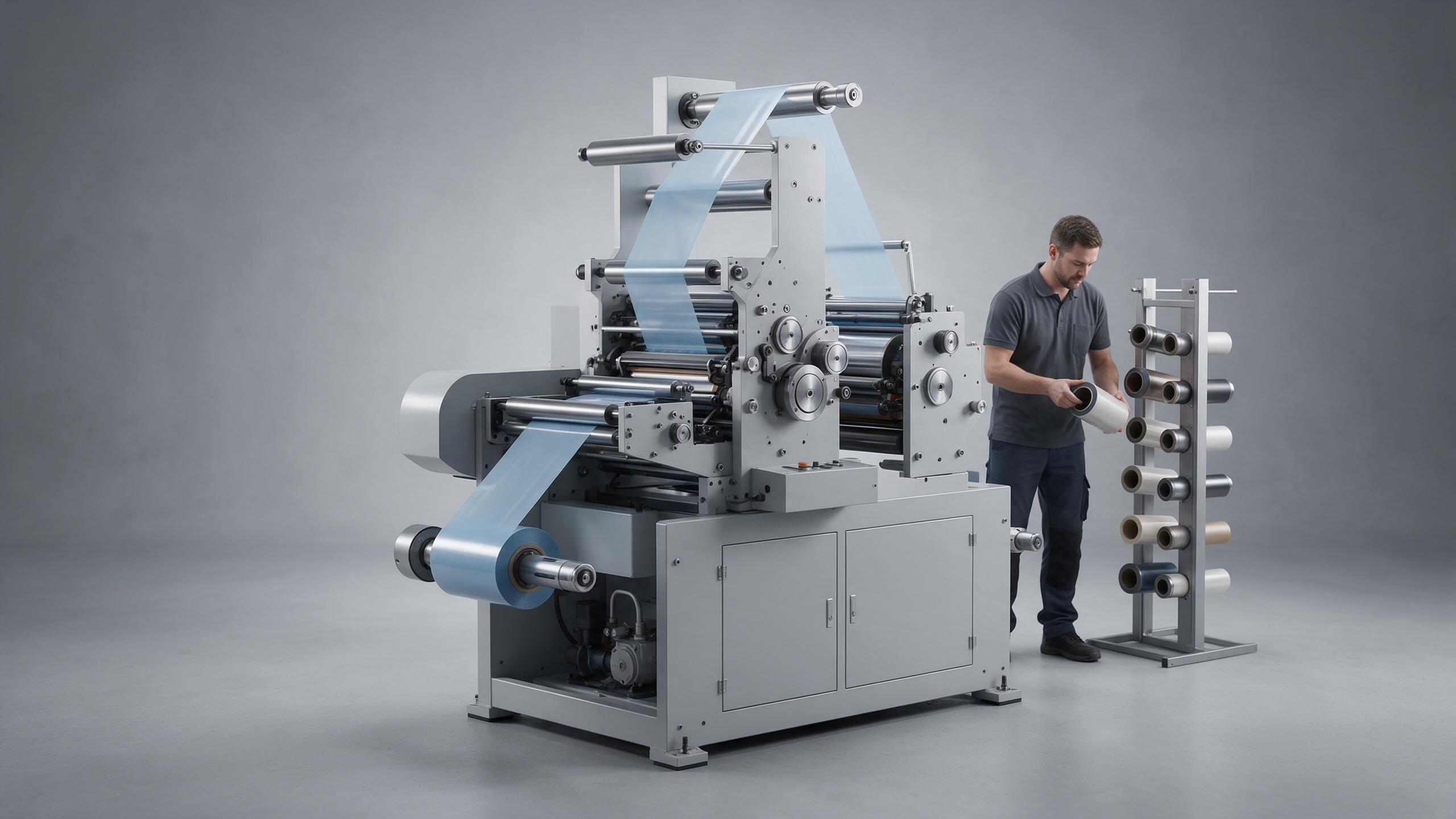
Choose a representative pair of orders and record the same start and finish points for each system. Use the last accepted impression of the outgoing order as the start, and the first accepted impression of the incoming order as the finish. Agree beforehand on color, registration and visual acceptance criteria. The interval includes any production delay before the new job meets those criteria.
- Record the job conditions. Note film type, web width, artwork repeat, number of colors, ink system and whether the substrate changes.
- Time the tasks. Separate sleeve or cylinder handling, cleaning, ink changes, web preparation, registration and approval. Record waiting time too.
- Log parallel work. Note plate mounting and preparation done while the machine is running, together with the operator hours required.
- Repeat the comparison. Measure several similar transitions with trained crews, then compare the range and median rather than a single fast run.
- Count waste. Record film used from restart until acceptance and retain any rejected output separately from acceptable product.
For an illustrative calculation only, suppose a conventional change takes 80 minutes and the same defined transition on a sleeve system takes 55 minutes. The saving is 25 minutes, or 25 divided by 80, approximately 31%. These are hypothetical figures, not measured results or a supplier specification. If cleaning or film handling differs between the tests, the comparison does not isolate the sleeve system.
Where can a sleeve system save time?
Plate preparation before the stop
Preparing the next plate set offline can shift work outside the stopped interval. That requires a spare set in the correct repeat, appropriate mounting tools, approved artwork and a person available to prepare it. Include those labor hours in the operating-cost comparison even if they do not extend press downtime.
Removing and fitting the printing surface
A removable sleeve may be easier to handle than a complete cylinder, depending on its size, the press design and the lifting equipment used for the alternative. Follow the supplier's instructions for air pressure, alignment and support. Inspect sleeve edges, mandrel surfaces and plate condition before fitting; a damaged component can turn a quick exchange into a longer delay.
Registration and first acceptable output
Accurate offline mounting can help the team start from a repeatable position, but it does not remove the need to check register and print quality on the actual film. Ink behavior, tension, web movement and artwork all affect the final adjustment. A quick changeover plastic film flexo press should therefore be assessed by the time to accepted output, not a sleeve-swap stopwatch alone.
When might the saving be smaller?
Long production runs spread setup time over more output, so an additional sleeve inventory may have less impact on the schedule than it does for frequent short orders. Large shifts in film, color sequence or ink can also make cleaning and setup the dominant tasks. If the same artwork repeats, scheduling similar orders together may reduce changeovers without replacing a plastic bag printing machine.
Space and handling matter. Sleeves need identified storage, clean surfaces and protection from damage. Check whether the available plate mounter, mandrels and adapters fit the intended repeat sizes. Count spare sleeves, maintenance, training and the preparation station in the quotation. The press price alone does not show the full investment or the hours needed to keep it running.
Turn the result into a buying decision
Use your own changeover frequency to estimate the potential value. Multiply measured minutes saved per comparable change by the number of such changes in a period; then convert the resulting hours into a financial estimate using your own contribution or downtime cost. Add any change in preparation labor, tooling, maintenance and waste. Do not count offline work as free simply because the press is running.
For example, the hypothetical 25-minute saving above applied to 20 comparable changes would release about 500 minutes of scheduled press time. This arithmetic is not a production forecast: the actual number of qualifying changes, staffing and capacity constraints determine whether that time is useful.
Before requesting a demonstration, bring samples or specifications for the film, artwork, repeat lengths, colors, ink system and usual order sequence. Ask the supplier to identify which sleeve components and plate-mounting tools are included, which are optional, and how acceptance will be judged. Request a timed run from last accepted print to first accepted print, with preparation labor and waste recorded separately.
Wenzhou Qiangtuo Machinery works in flexographic equipment for packaging applications. Share your job mix and ask whether the proposed configuration and tooling suit it. The right plastic bag printing machine decision starts with a documented test, not a universal changeover promise.
 Hot News