 EN
Why Are Global Packaging Converters Switching to CI plastic bag printing machine Systems in 2027?
As converters plan equipment purchases for 2027, a CI plastic bag printing machine is one option worth evaluating for demanding film work. The question in the title is a starting point, not evidence that converters worldwide have already switched. As of November 2026, the scale and direction of any 2027 change remain unverified. A sensible buying decision starts with the jobs on your floor, not a forecast.
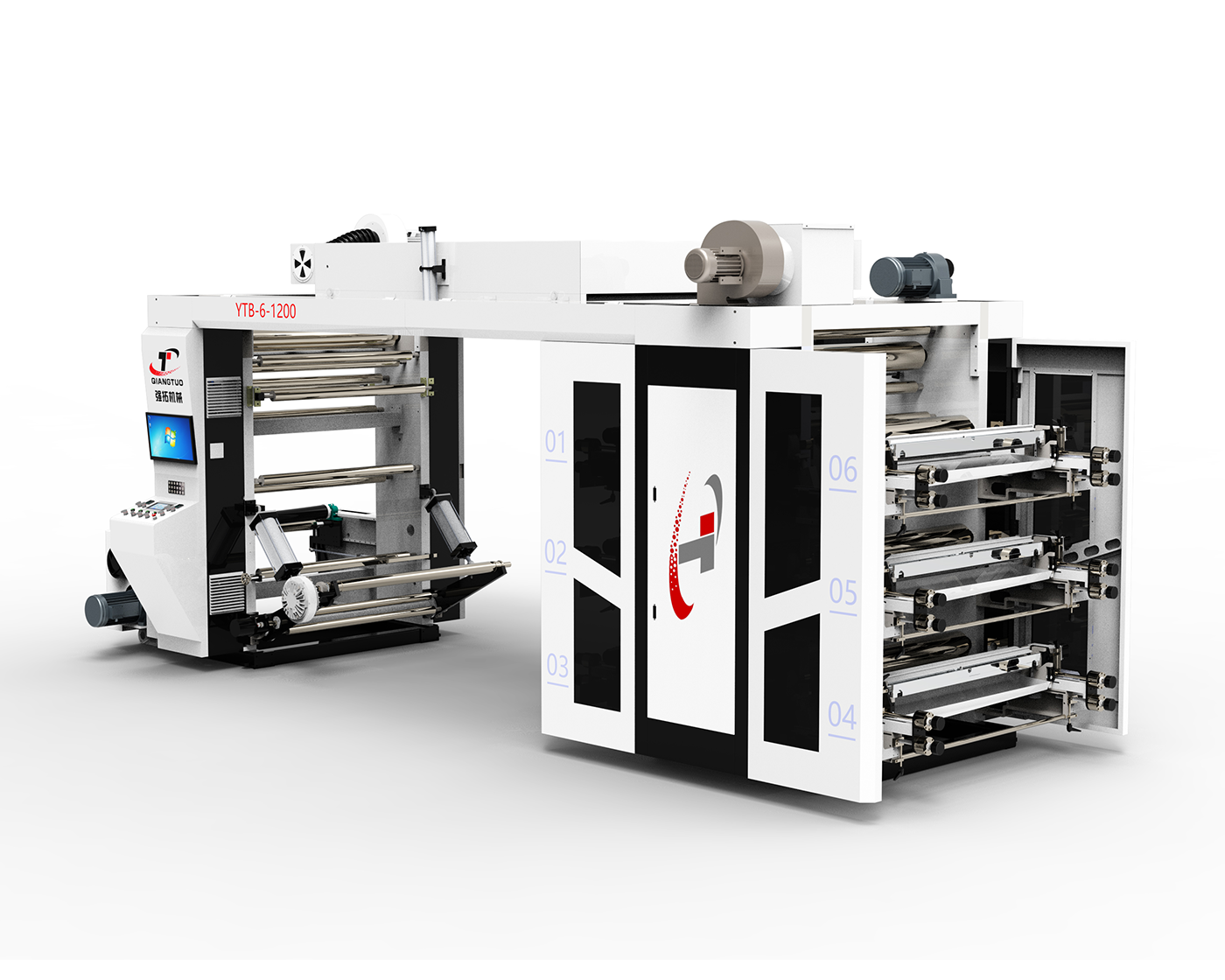
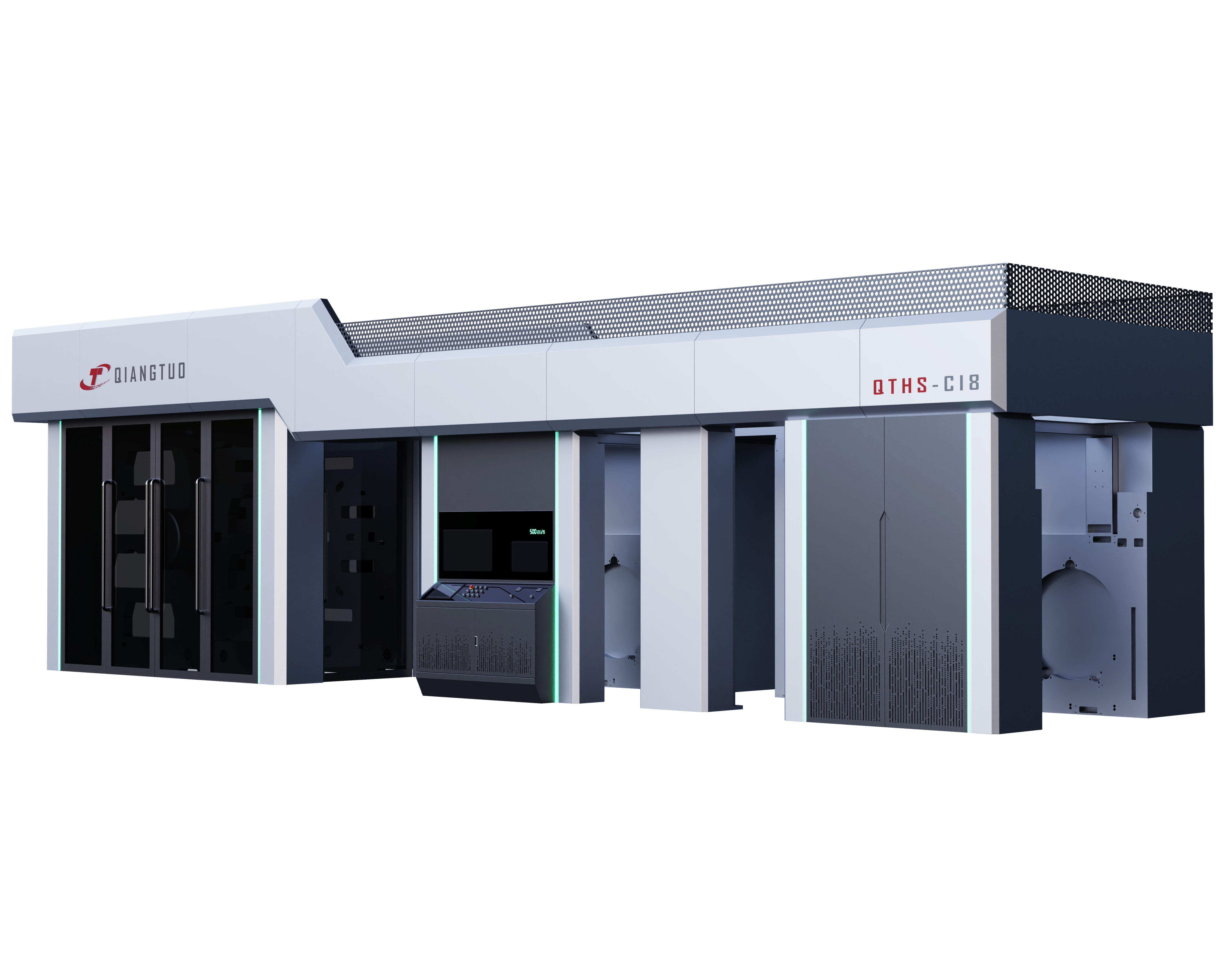
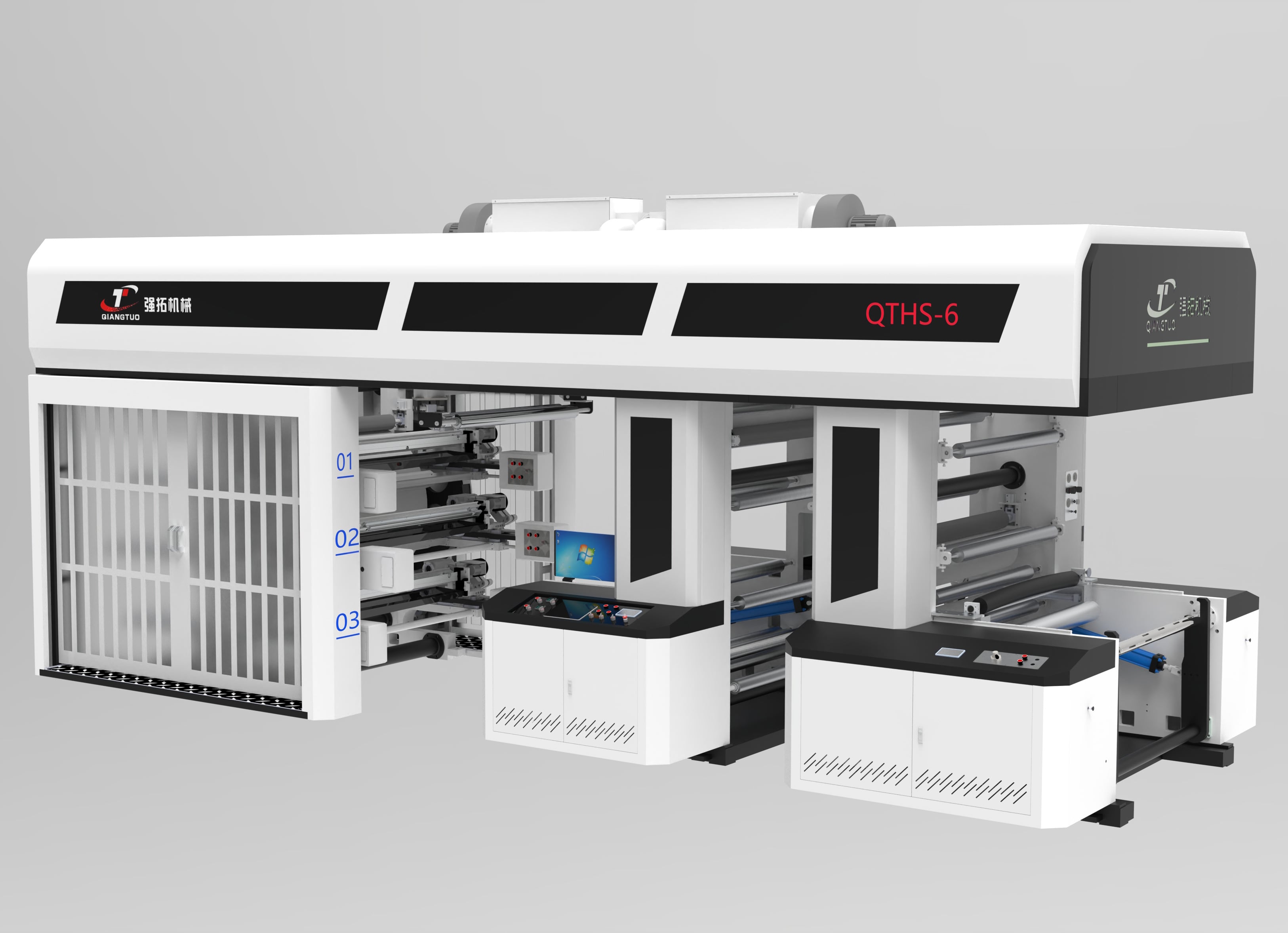
For a packaging buyer, the relevant comparison is between complete production systems: film handling, print quality, changeovers, waste, installation, and support. A press with a central impression layout may suit some combinations of material and artwork; a different press or coding method may fit others.
What changes with a central impression layout?
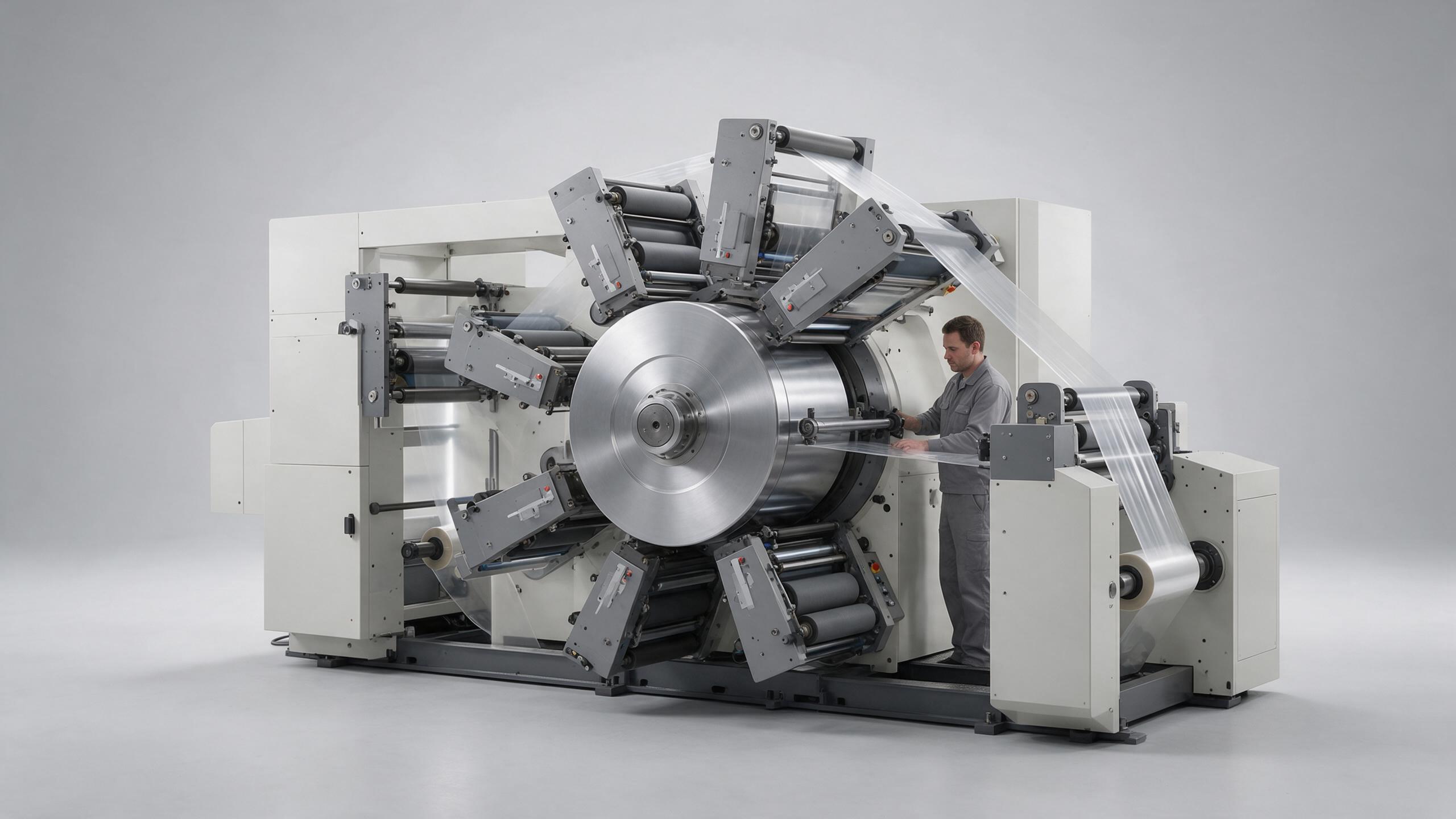
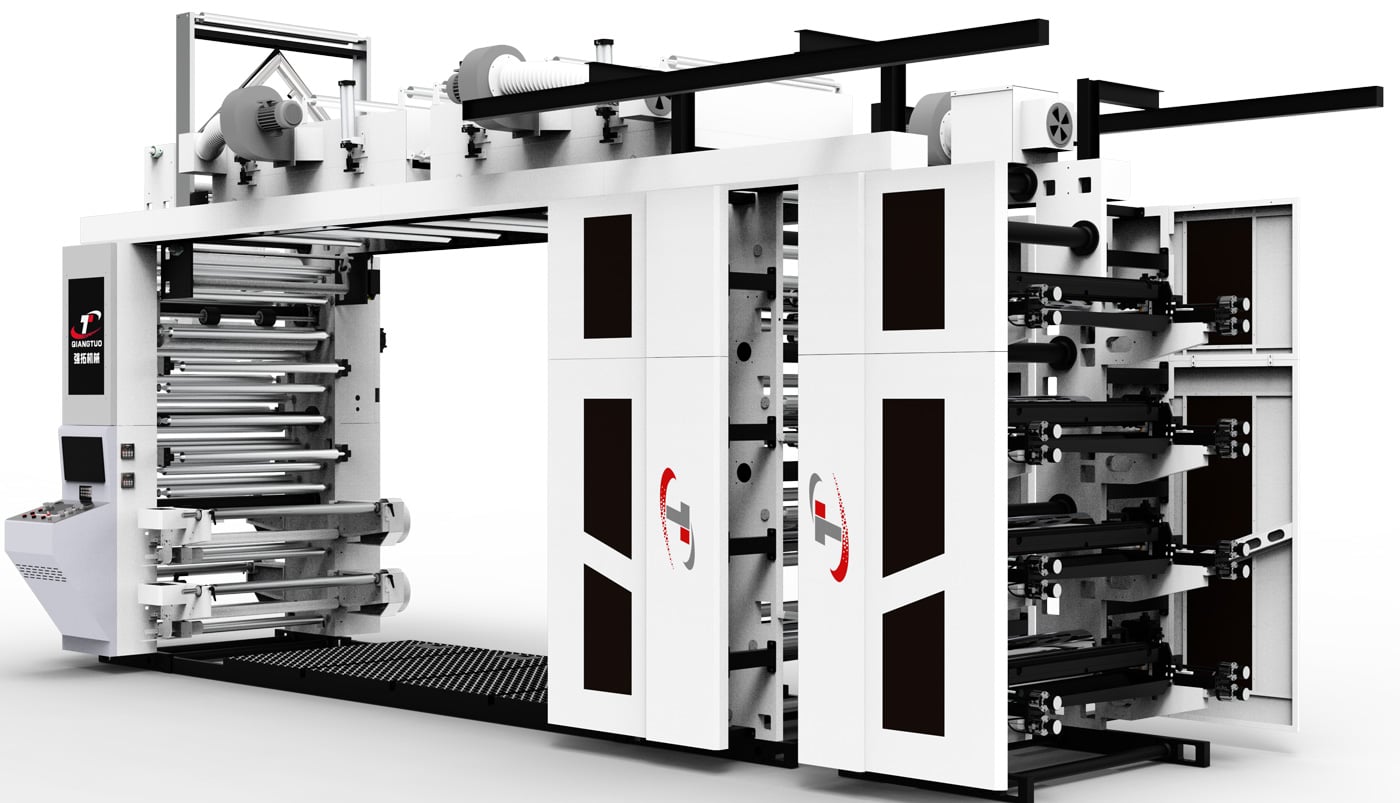
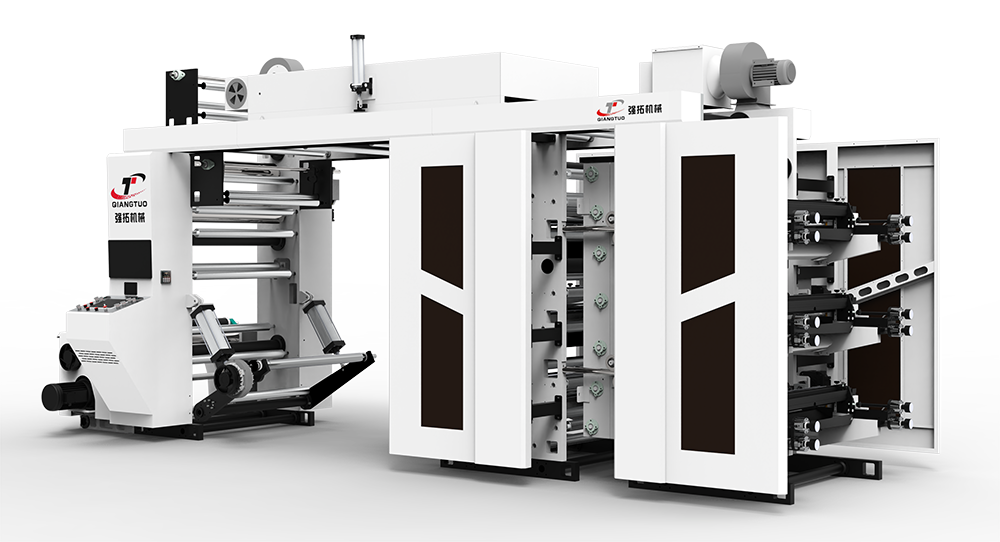
In a central impression, or CI, flexographic press, multiple print stations are arranged around one common impression cylinder. The film is supported against that cylinder while it passes the stations. By contrast, a stack arrangement has separate impression cylinders at its print stations. These are differences in machine layout, not proof that one configuration will deliver a particular result on every film.
A CI plastic bag printing machine can be considered when a thin or extensible web and multicolor artwork make color-to-color register a priority. Shared support can help manage web movement during printing, but register also depends on tension control, plate mounting, ink, artwork, operating conditions, and maintenance. Ask the supplier to demonstrate the proposed plastic bag printing machine on your material at the intended production settings.
The phrase Central Impression Plastic Film Flexo Press describes the same general press architecture. It does not identify a particular model, installed feature, or certified application. Verify those details in the quotation and acceptance plan.
Why film and artwork shape the decision
Polyethylene films can differ in thickness, surface condition, additives, and stretch. A plastic bag printing machine must handle the actual roll and web characteristics; the word “plastic” alone is not a specification. Provide representative film samples, roll dimensions, print width, repeat length, and artwork before comparing proposals.
Surface treatment may also matter. Corona treatment is one method used to modify a film surface to support ink adhesion. The appropriate treatment and test depend on the material and ink system. Confirm the film's treatment history, applicable supplier guidance, and the acceptance test rather than assuming that a press layout alone will solve adhesion problems.
A CI press may be attractive when fine details and several colors need to align, but a sample printed once is not a production guarantee. Agree on how register, visual defects, adhesion, and acceptable waste will be assessed. Include the intended inks and downstream converting operations in the test plan.
Look beyond the press speed
A quoted maximum speed is not the same as saleable output. To assess the press, record the conditions behind the number: material, artwork coverage, number of colors, drying requirements, and operator tasks. Compare the amount of usable film produced over a representative shift, including setup and stoppages, rather than comparing headline speeds alone.
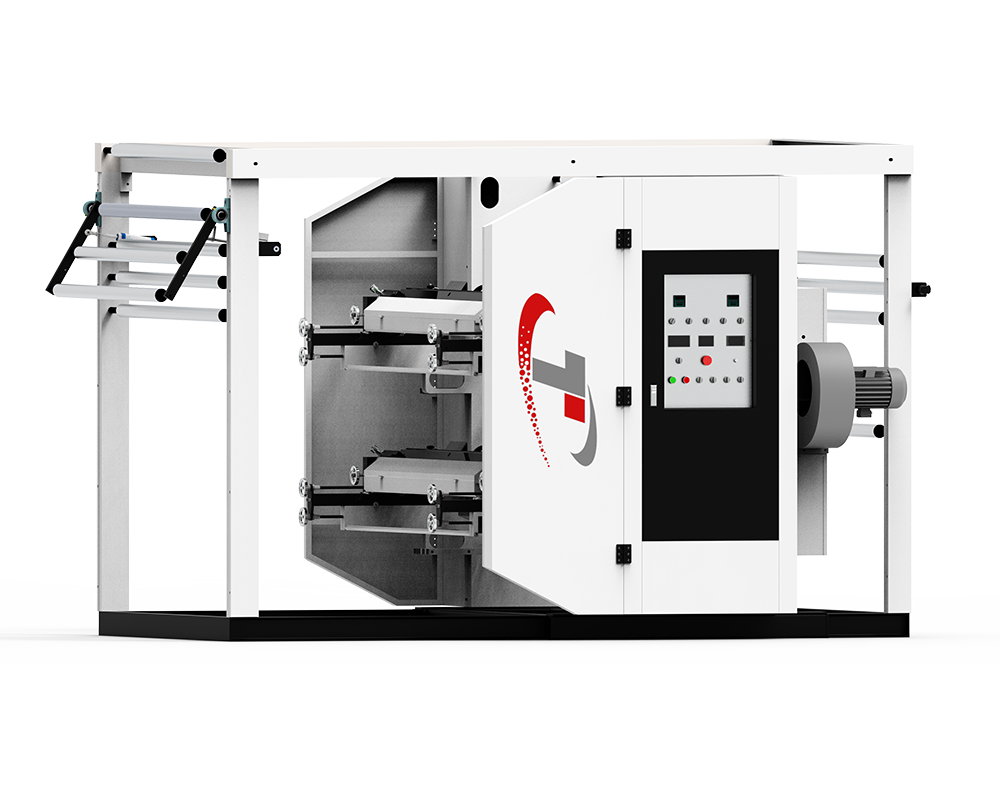
For a fair comparison, ask each supplier to specify the same scope. Is plate mounting included? How are inks prepared and dried? Which components require cleaning between jobs? A CI press may have options that change the time and labor required for a job change, so request a demonstration of the configuration actually quoted.
Drying, ventilation, and the chosen ink system also affect the whole line. Confirm utilities and applicable local safety requirements with qualified specialists. If a press runs faster than the downstream bag-making equipment can accept, the production benefit may be limited by the rest of the workflow.
Compare CI with the alternatives on the same job mix
A CI press is not automatically the right answer for every converter. A stack or inline flexographic press may be appropriate where its layout, substrate handling, configuration, or budget suits the work. For coding finished bags in small batches, a separate marking method may address a different need altogether. The choice depends on what is being printed, when printing occurs, and the acceptance criteria.
Consider a hypothetical plant with two job families: long multicolor film runs and short jobs with simple marks. The first merits a comparison of register stability and saleable output on a CI plastic bag printing machine. The second calls for a close look at setup effort and the available alternative process. The result is a decision framework, not a reported customer case or a promise of savings.
How to build a useful supplier trial
Before ordering a press, agree on a trial that resembles routine work. Supply the normal material and representative artwork, and specify the ink system, roll size, target throughput, and how quality will be judged. Request a written record of the setup, adjustments, and operating conditions so the result can be interpreted later.
- Film and artwork: Identify material structure, thickness, roll dimensions, print width, repeat, color count, and critical features.
- Print acceptance: Agree on register measurement, adhesion test, visual checks, and sampling before the demonstration.
- Workflow: Include changeover, cleaning, drying, and handoff to the next converting step.
- Commercial scope: Compare included equipment, spares, training, installation, utilities, and support on the same basis.
- Operating record: Record useful output, setup time, and material loss for the stated job rather than extrapolating one result to all work.
Ask who performs the trial, which instruments are used, and how any disagreement will be resolved. A credible comparison may show that a CI press is a strong fit for one job family and unnecessary for another.
What should buyers prepare for 2027?
Start with current production records and distinguish measured conditions from assumptions about future demand. Group jobs by substrate, print complexity, run length, and changeover frequency. Then model capital cost alongside film loss, labor, energy, maintenance, tooling, and expected service requirements. Use your own figures and request comparable quotes; no universal payback period follows from the CI layout alone.
Wenzhou Qiangtuo Machinery describes its business as flexographic equipment for packaging applications. When discussing a plastic bag printing machine, share the application details and ask the supplier to confirm available configurations and trial arrangements. The practical next step is a material-specific test and a like-for-like comparison, not a decision based on a predicted industry-wide switch.
 Hot News