
 EN
From Roll Unwinding to Inline Slitting: Building a Turnkey plastic bag printing machine Production Line
A plastic bag printing machine is only one part of a roll-fed converting operation. Film must enter the press in a controlled state, accept the printed image, pass through a suitable drying system and leave in a form the next process can use. When these stages are purchased as a connected line, their handoffs deserve as much attention as the print units themselves.
For a packaging converter, the starting question is not simply how fast a press can run. It is whether the proposed web path, ink system and finished roll format fit the actual material, artwork and order pattern. The following framework turns that question into a practical project brief, from the first parent roll to the slit reels.
Define the production route before choosing equipment
Start by identifying what arrives at the line and what must leave it. A plastic bag printing machine may print a continuous film web that is later converted into bags; it does not necessarily form or seal finished bags. Establish whether bag making, lamination or other downstream work is included in the project or belongs to a separate operation.
Record the film structure, nominal thickness, incoming roll width and diameter, core details, print side and the expected range of artwork. Note the number of colors, repeat requirements, coverage and any unprinted areas needed for later sealing. Specify finished slit widths and roll presentation with the downstream team. Material and ink suppliers should confirm compatibility; a familiar description such as polyethylene alone is not a complete operating specification.
Also describe the job mix. Frequent artwork changes, varying film widths or small production lots place different demands on setup and changeover than a long, consistent run. This information lets suppliers discuss a plastic bag printing machine configuration against the same assumptions instead of comparing unrelated headline figures.
Unwinding and web control set the starting conditions
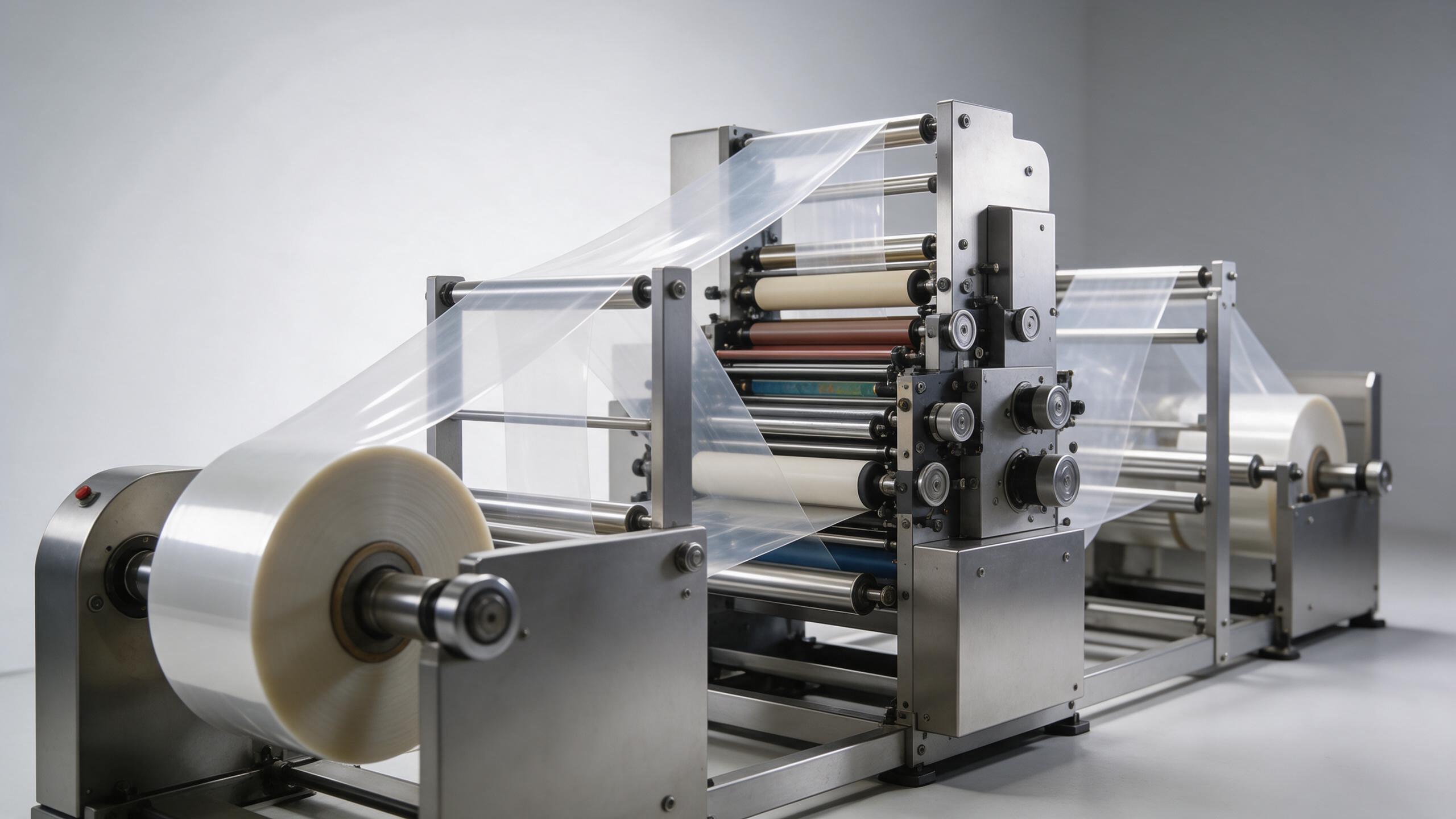
The unwind handles the incoming parent roll and feeds the web into the press. Ask how operators load and align rolls, what core sizes and roll dimensions the proposed unit accepts, and how roll changes are managed. If uninterrupted operation is important, discuss whether a second unwind or a splicing arrangement is in scope rather than assuming one is included.
Film changes behavior with thickness, material structure and tension. Map the proposed tension zones from the unwind through printing to rewinding, and identify where the operator can observe and adjust them. A guiding system can help keep the web aligned to a selected reference, but sensor position and edge quality should be checked against the actual material. Guide performance does not replace a suitable tension plan.
Incoming surface condition matters too. Treatment level can change between film manufacture and printing, so agree on how the incoming surface will be checked and which side is intended for ink. A dyne check is one useful assessment; the acceptable result depends on the film, ink and test method. Confirm the target with the relevant suppliers and validate adhesion under the intended job conditions.
Connect print units to ink and drying choices
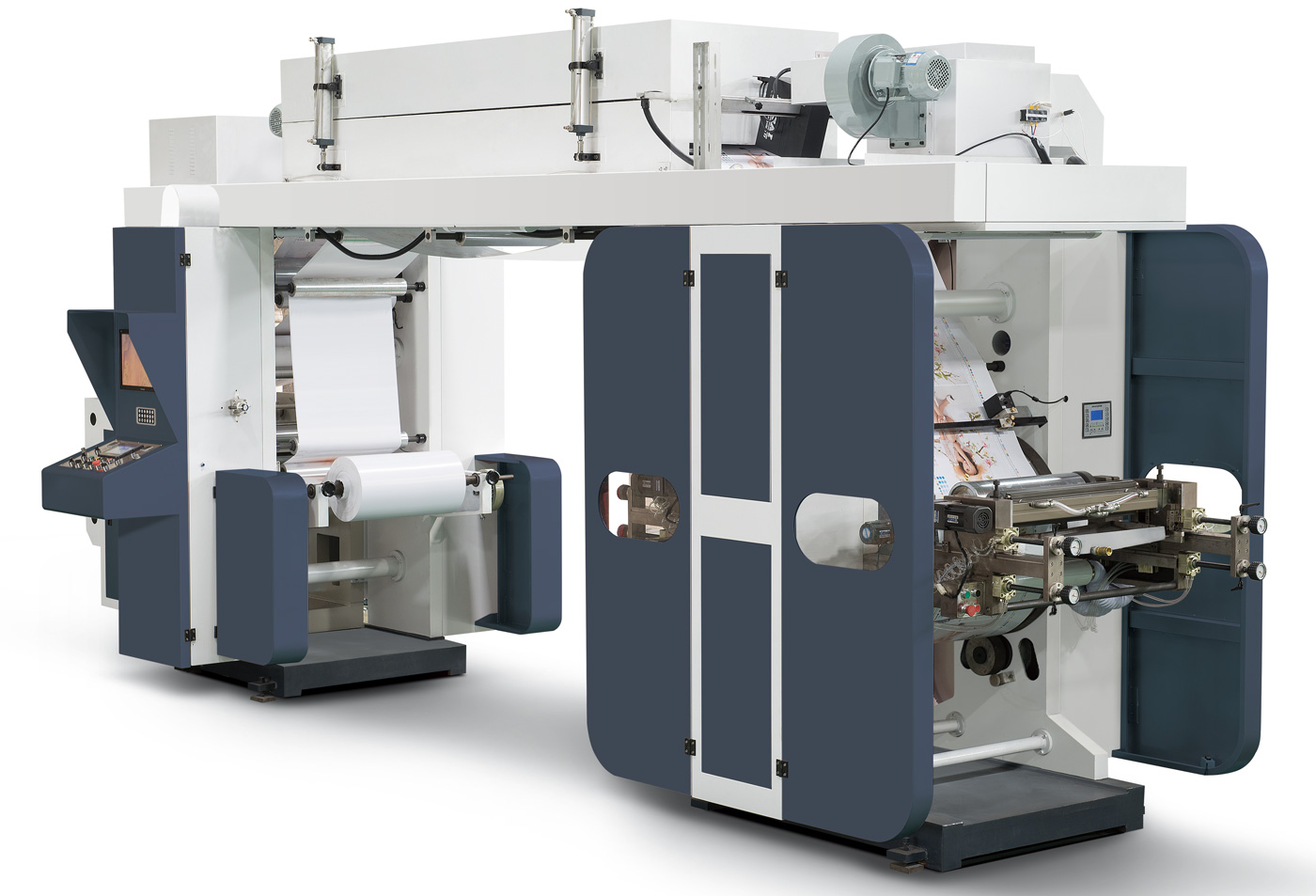
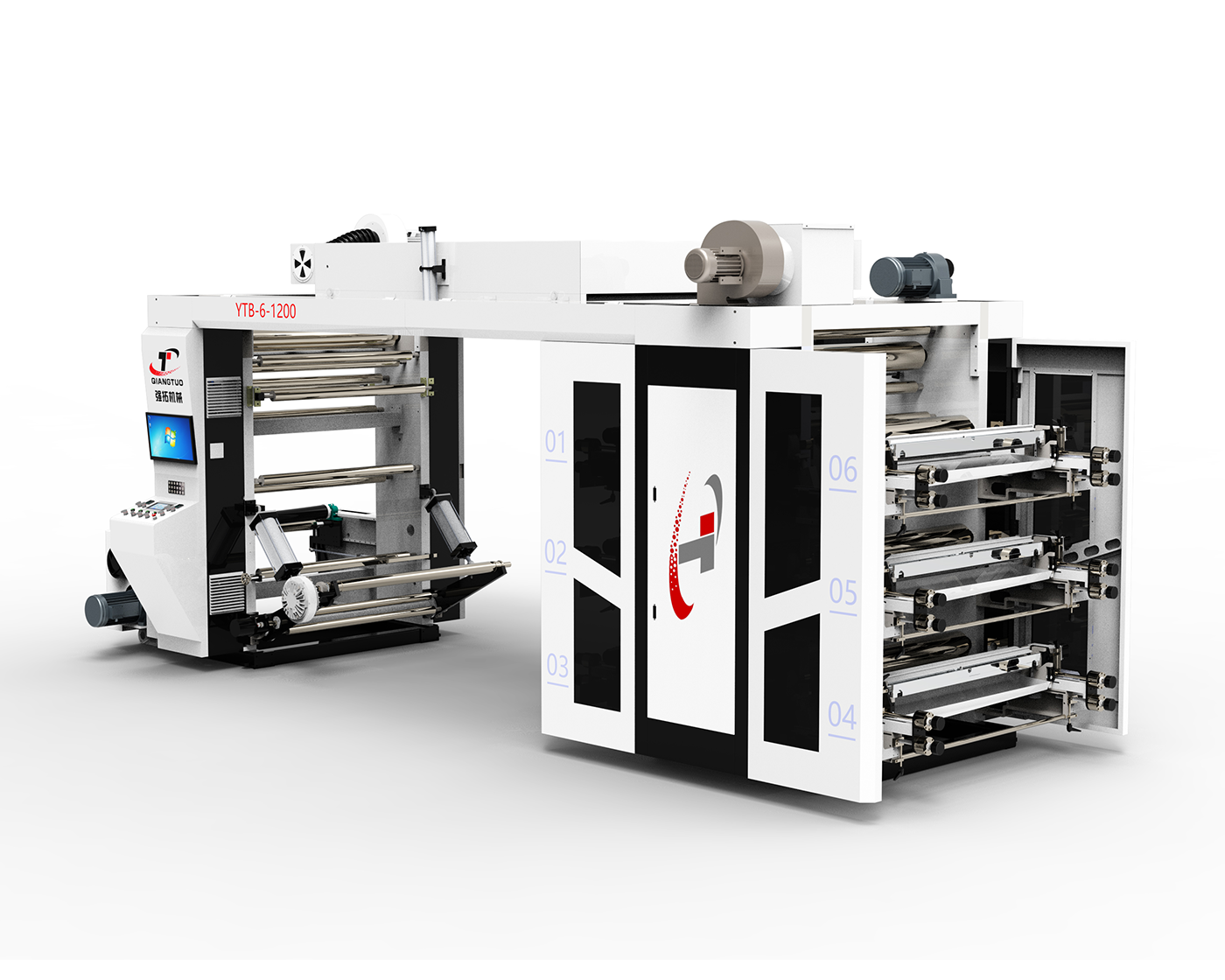
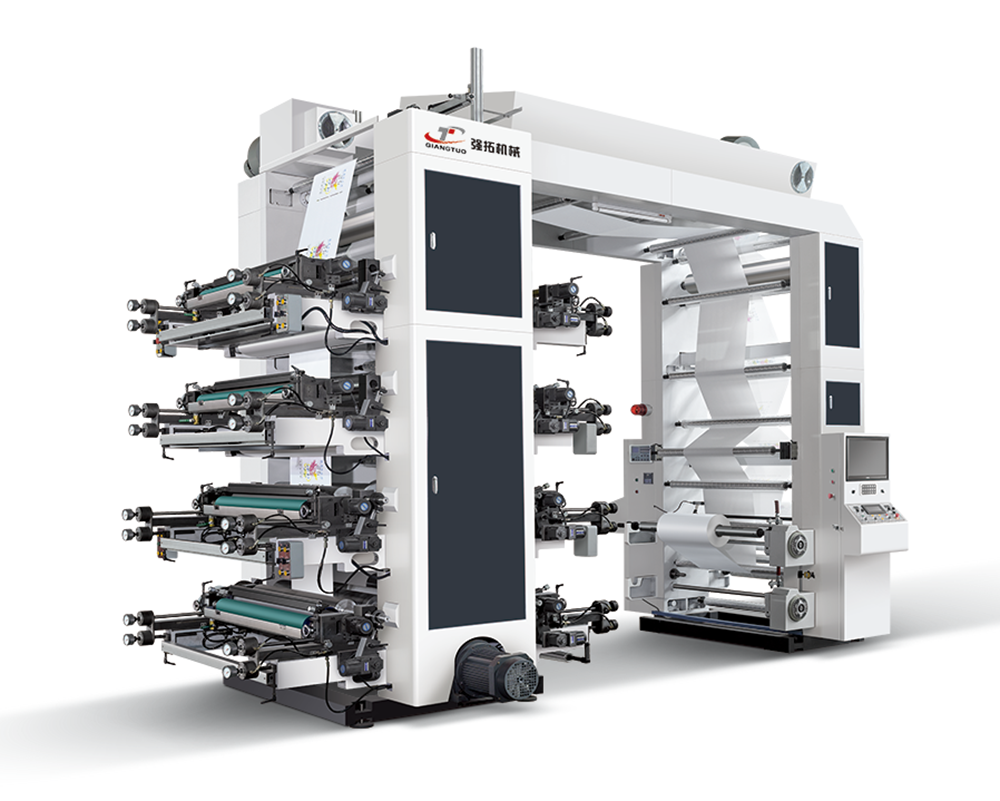
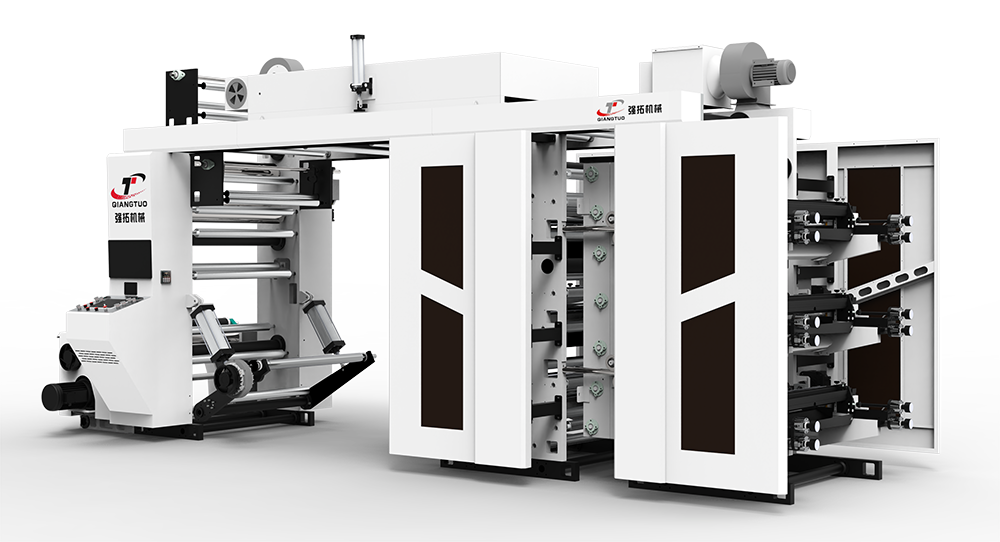
In a flexographic plastic bag printing machine, printing plates transfer images through inked print stations onto the moving web. Define the color sequence, repeat range and registration expectations using representative artwork. A design with fine text or overlapping colors calls for a more specific acceptance discussion than a single-color logo.
Discuss the ink system, cleaning method and changeover requirements alongside the print stations. The ink supplier should advise on compatibility with the film and intended use. If the package will contact food or be used in another regulated application, ask the responsible suppliers for the relevant documentation and assess the complete package structure; press configuration alone does not establish compliance.
Drying must be considered as part of the web path, not added as a generic accessory. Confirm the ink chemistry, available utilities, exhaust arrangements and the drying duty for the intended coverage and line speed. The film must withstand the chosen conditions, and the printed surface must be suitable for the next contact point. Review ventilation and applicable safety requirements with qualified local specialists and the equipment supplier.
Inline slitting and the rewind handoff
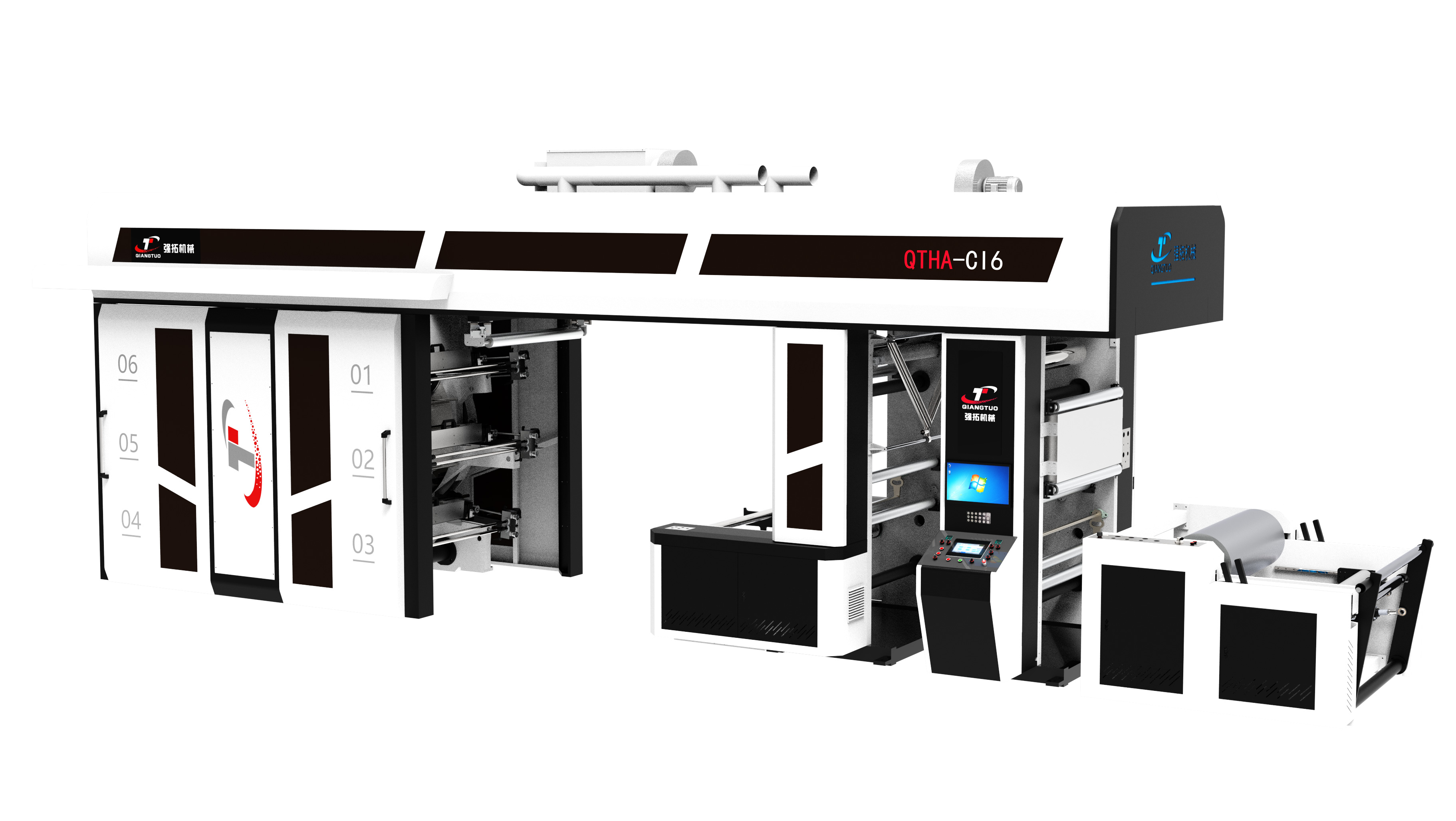
An Inline Slitting Plastic Film Flexo Press combines printing with a downstream cutting and winding stage when the project configuration supports it. Slitting divides the wider web into narrower webs; the rewind then builds the requested rolls. Specify slit widths, number of lanes, edge-trim handling, core dimensions and roll orientation before evaluating the layout.
Ask how the line will handle the transition from printing to the slitter, including web routing, tension and access for setup. Check the slit edges and finished roll shape on the actual substrate, and agree on inspection criteria for blocking, print transfer or damage. Drying and winding conditions interact: a clean cut is not enough if the printed film cannot be wound in an acceptable condition.
Inline slitting can reduce an intermediate handling step, but it couples the print and finishing stages. A change in slit pattern or a stoppage at the rewind may affect the entire line. An offline slitter may offer more scheduling flexibility when print runs and finishing orders do not match. Compare both approaches using the plant's actual changeover, space and staffing constraints rather than assuming the inline route suits every project.
What belongs in a Turnkey plastic bag printing machine Line?
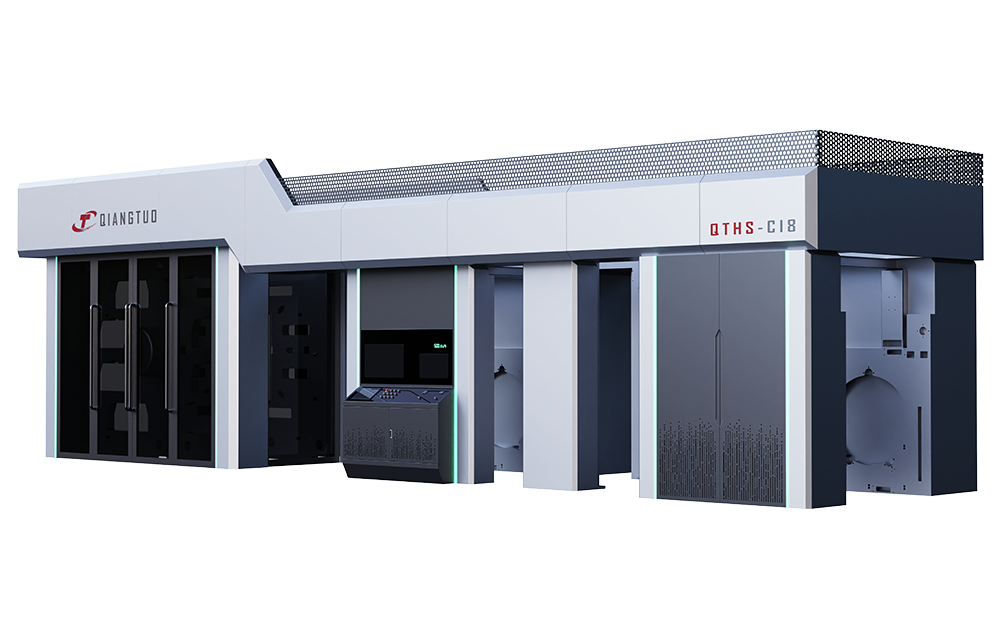
The word turnkey describes a scope of supply, not a fixed equipment list. For every quotation, identify the owner of each handoff: unwind, web guiding, print stations, drying, slitters, rewind, controls and guarding. Mark which components are included, optional, supplied by others or excluded. A drawing that shows the web path, access clearances and utility connection points is more useful than a feature list alone.
Include installation responsibilities, operator instruction, spare parts, maintenance access and commissioning support in the discussion. State the available electrical supply, ventilation arrangements, floor space and material-handling method. If several vendors provide equipment, assign responsibility for communication between controls and for responding to a line stoppage. A plastic bag printing machine project is easier to evaluate when these boundaries are written down before price comparisons begin.
Wenzhou Qiangtuo Machinery describes its business around flexographic equipment for packaging applications. Discuss the proposed line and its integration requirements with the supplier, and request a project-specific scope instead of assuming that every option in this article is included in a standard machine.
Agree on acceptance using a representative job
Before ordering a plastic bag printing machine, prepare a sample film and representative artwork for discussion. Agree on who supplies inks and plates, how the test will be run, and which measurements and observations matter. The goal is not a universal performance claim; it is a shared record of what the proposed configuration must demonstrate for the specified job.
- Incoming roll: record film type, dimensions, print side and the agreed surface-check method.
- Printed web: define color appearance, registration checks and adhesion assessment with the relevant material and ink suppliers.
- Slit rolls: agree on lane widths, edge condition, winding appearance and the form required by the next operation.
- Operating sequence: document setup, normal operation, stops, roll changes and restart responsibilities.
- Open items: list utility connections, safety review, training and service arrangements that still require confirmation.
A plastic bag printing machine can be assessed as a connected production system only when each handoff is visible. Start with the film and finished reel requirements, trace the web through printing and drying, then test the proposed slitting and rewind arrangement against a representative job. That sequence gives both buyer and supplier a clearer basis for a scope, a quotation and an acceptance plan.
 Hot News