
 EN
How Ultrasonic EPC Web Guiding Systems Eliminate Edge Misalignment on a plastic bag printing machine
A drifting film edge can shift the printed image toward a bag seal, make a narrow margin inconsistent, or send a roll into the next operation with an uneven profile. On a plastic bag printing machine, ultrasonic edge position control (EPC) addresses the lateral movement of the moving web. It does this by sensing the edge and commanding a guide to move the film back toward a chosen position. The title describes the aim; the actual result depends on the material, setup and condition of the rest of the line.
From a flexographic process perspective, it helps to separate three questions: where the film edge is, where the print is relative to that edge, and whether successive colors register with each other. A guide addresses the first question. The other two also depend on the printing process and machine settings.
Why does the film edge wander?
A plastic bag printing machine handles a continuous strip of film, often called the web. A roll that is wound unevenly, a splice with an offset, changing roll geometry, or rollers that are not aligned can move the edge sideways. Film behavior also changes with material and tension. The edge can move gradually or oscillate; both patterns matter when margins are tight.
Without automatic correction, an operator may need to observe the roll and adjust the web path. That can become difficult when the edge is transparent or the run includes frequent changes. Rather than assuming the guide is the source of every alignment problem, compare the edge at the unwinder, at the guide sensor and at the point where print quality is checked. This helps identify where movement first appears.
How an ultrasonic EPC loop works
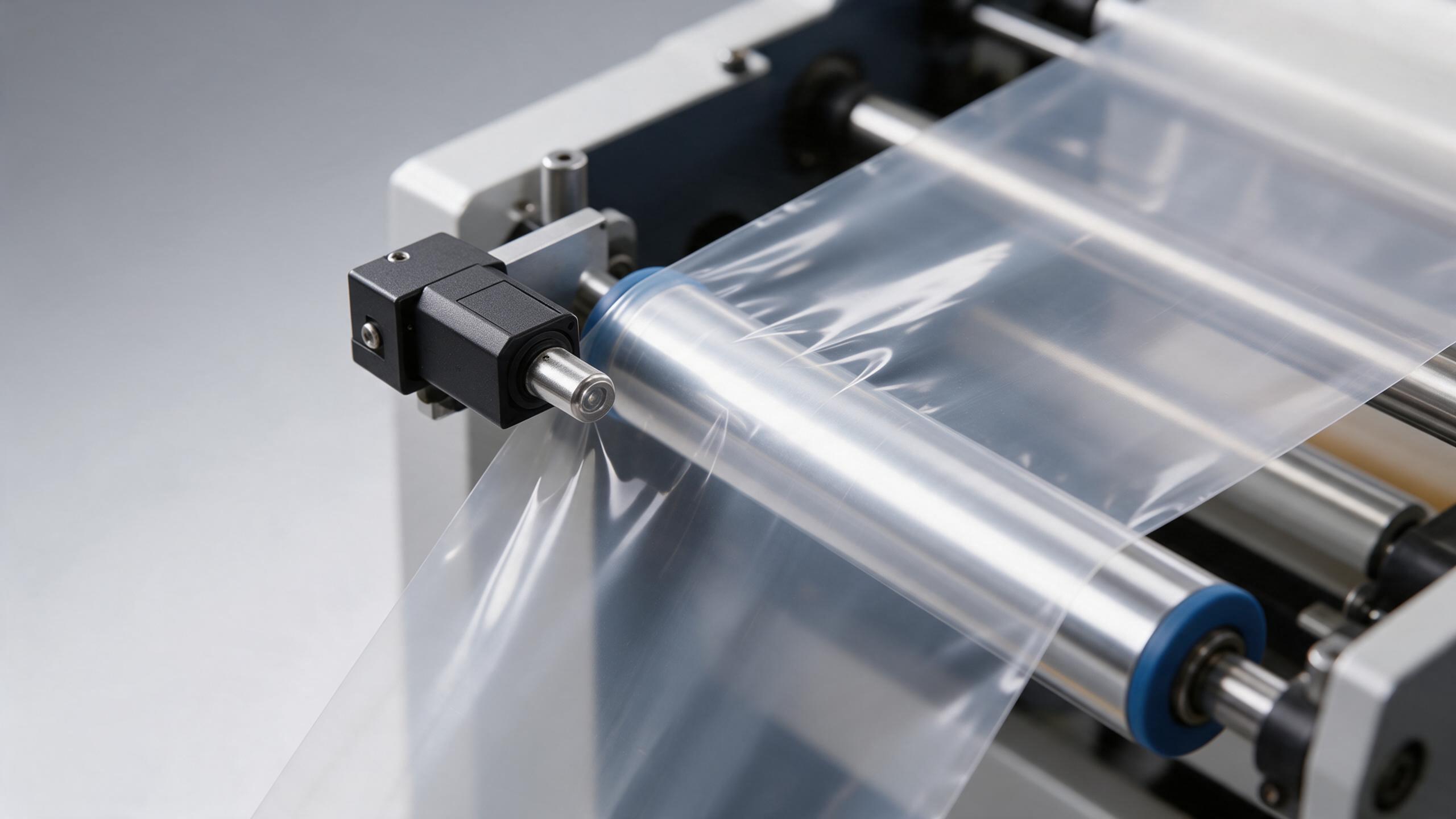
In a typical arrangement, the film passes through the sensing gap between an ultrasonic emitter and receiver. The sensor measures how much of the sound path is covered by the film. As the edge shifts across the sensing area, the signal changes. A controller compares that position with the setpoint and tells an actuator to reposition the guide. Once the edge returns toward the setpoint, the correction changes accordingly.
Ultrasonic sensing is useful to consider for clear film because it does not rely on visible contrast in the same way as an optical sensor. Suitability is still a test question: film properties, edge condition, dust, mounting and the sensor design can affect the reading. Ask for a trial with the actual substrate, including any printing, folds or edge trim that will pass through the sensor.
For an EPC Web Guide plastic bag printing machine setup, review the sensing location and the moving guide as a complete loop. A sensor can only report what passes through its sensing window; the actuator must also have enough travel and the right response for the particular web path. Mounting the sensor securely and keeping the guide mechanism free to move are as important as selecting the sensing technology.
Edge guiding is not the same as print registration
On a plastic bag printing machine, holding the film edge near a setpoint can support a more consistent relationship between the edge and downstream operations. It does not automatically correct a plate mounted in the wrong position, a stretched web, a shifting print mark or color-to-color registration. Nor can it straighten a damaged roll or resolve every wrinkle.
Edge guiding, tension control and print registration solve related but distinct problems. Unstable tension can stretch or wrinkle film even when the edge sensor reports a steady position. If the print moves while the edge remains stable, inspect the print setup and registration controls before increasing guide response. If the edge itself moves, examine the roll, sensor reading and guide movement first.
Set up the guide for the actual film and job
Start with the machine supplier's operating instructions and the site's safe setup procedure. On a plastic bag printing machine, confirm the intended web route and identify the controlled edge before setting the sensor. The following sequence gives operators a practical discussion framework; settings and safety procedures must follow the equipment documentation.
- Inspect the roll and path. Check that the roll is seated correctly, the film is threaded as specified, and rollers and the guide move freely. Record any visible edge damage or roll offset.
- Position and calibrate the sensor. Place the relevant film edge within the sensor's working area and establish the setpoint using the equipment procedure. Verify that a small edge movement produces a sensible reading.
- Check correction direction. At a safe setup speed, confirm that the guide moves in the direction that brings the edge toward the setpoint. A reversed response can make the deviation worse.
- Observe through the run. Compare the sensor reading, guide position and printed margin while speed and roll diameter change. Look for repeated hunting, actuator travel limits or changes after a splice.
- Document the job. Record the material, width, target margin and approved settings so the next changeover starts with a known reference. Recheck when the film or web route changes.
For Auto Edge Alignment Plastic Film Flexo Press projects, the commissioning question is not just whether the guide moves. Ask how the team will verify that the edge remains within the tolerance required by the artwork and the next converting step. Agree on the measurement location and acceptable result before the trial; do not infer a tolerance from a generic equipment description.
What to check when correction looks unstable
If a plastic bag printing machine keeps steering back and forth, first check whether the edge is consistently inside the sensing window. A damaged or folded edge may give the sensor an unstable target. Confirm that the bracket is rigid and the sensing area is clean according to the manufacturer's guidance. Then review the controller settings and mechanical condition with a qualified technician rather than making several adjustments at once.
If the guide stays at one end of its travel, the incoming roll position or web path may be outside the correction range. If alignment is acceptable at one speed but not another, examine response settings and the line's operating conditions. Note the symptom, film, speed and roll position before changing settings; that record makes it easier to isolate a cause.
Questions to bring to a supplier
Before selecting or adapting a plastic bag printing machine, provide representative film samples, web widths, roll details, artwork margins and the intended operating range. Ask where the sensor and guide would be placed, what happens at a splice, how operators set the edge reference, and how faults or travel limits are indicated. Confirm which functions are included in the proposed configuration instead of assuming every press has the same controls.
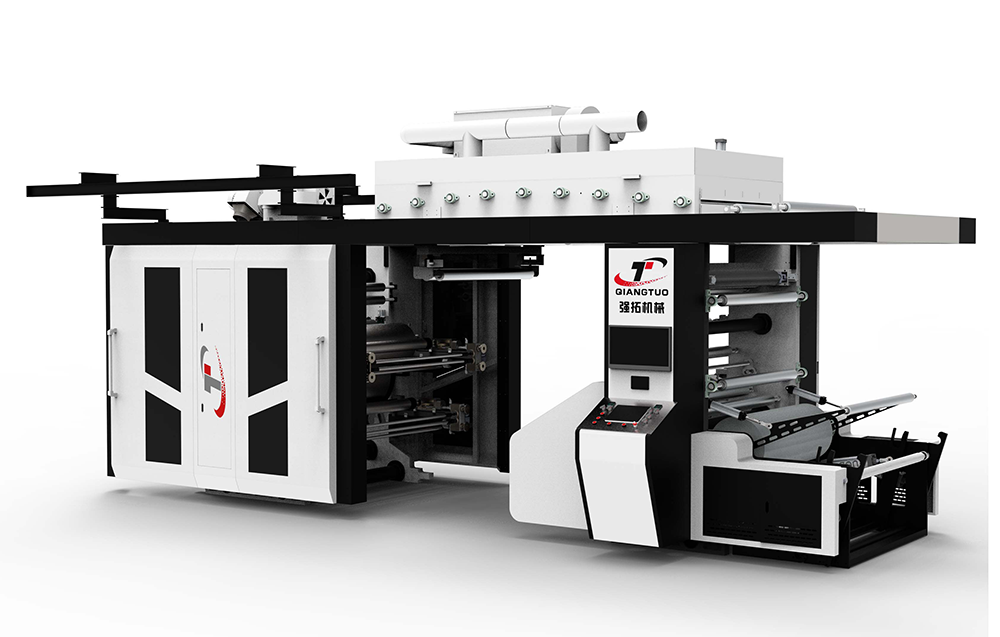
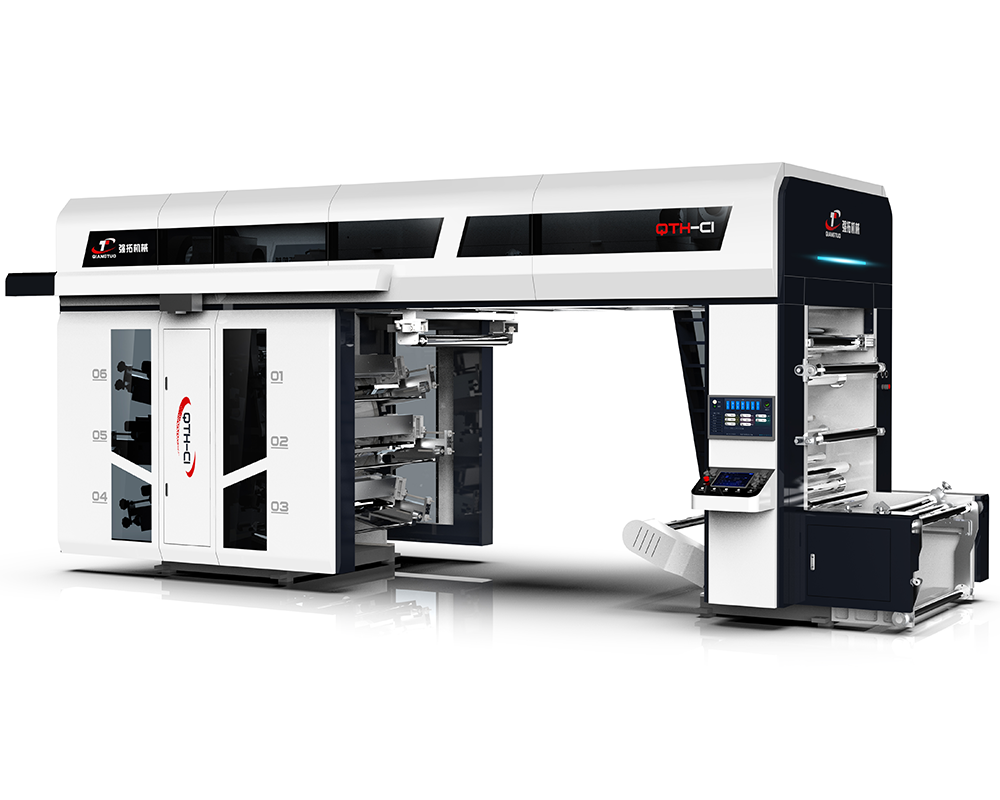
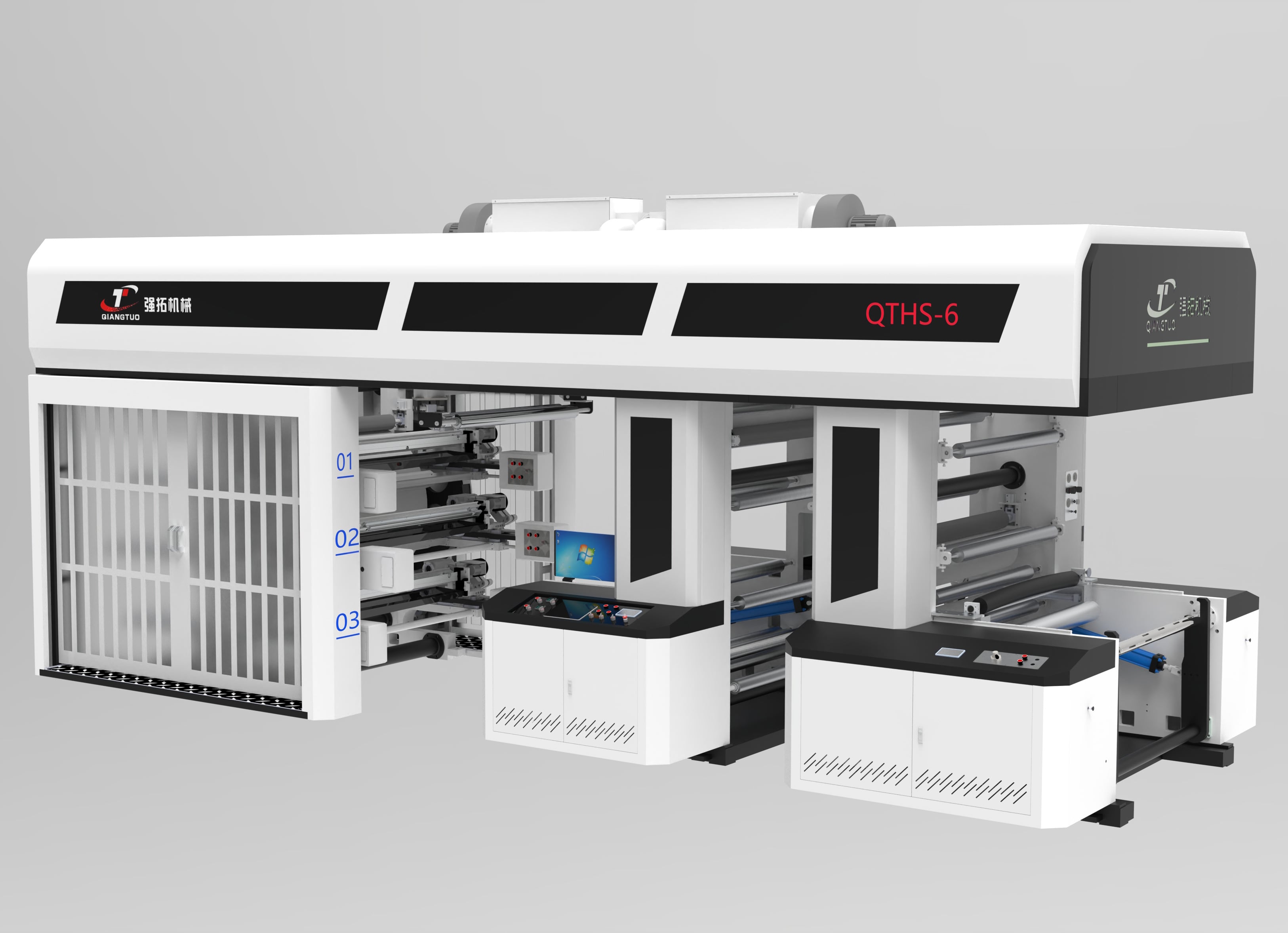
Wenzhou Qiangtuo Machinery identifies flexographic packaging equipment as part of its business. Its company website is a starting point for discussing an application; specific ultrasonic guiding equipment and compatibility should be confirmed for the proposed machine. A sample-based trial and a documented acceptance check are more useful than an unsupported alignment claim.
 Hot News