
 EN
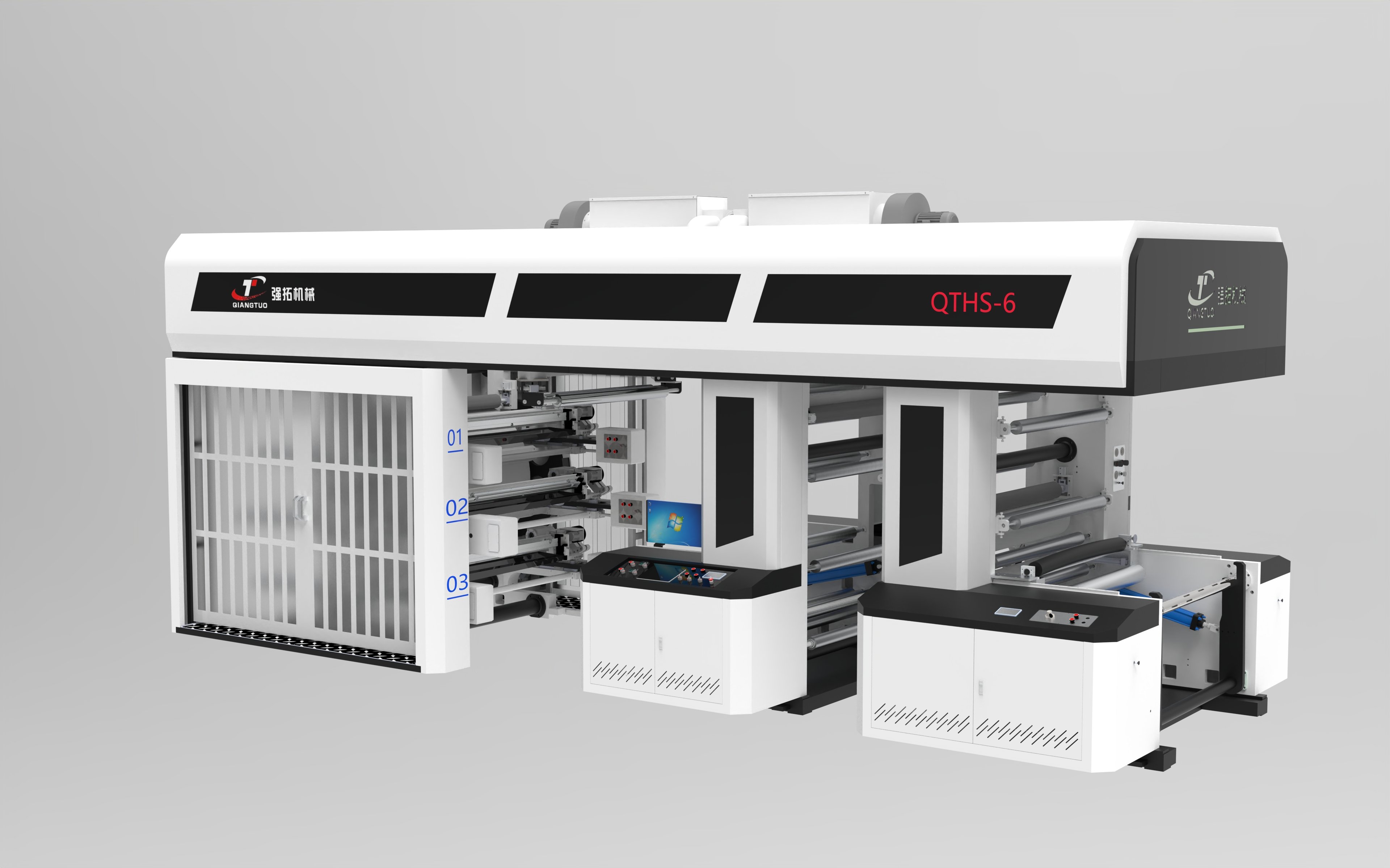
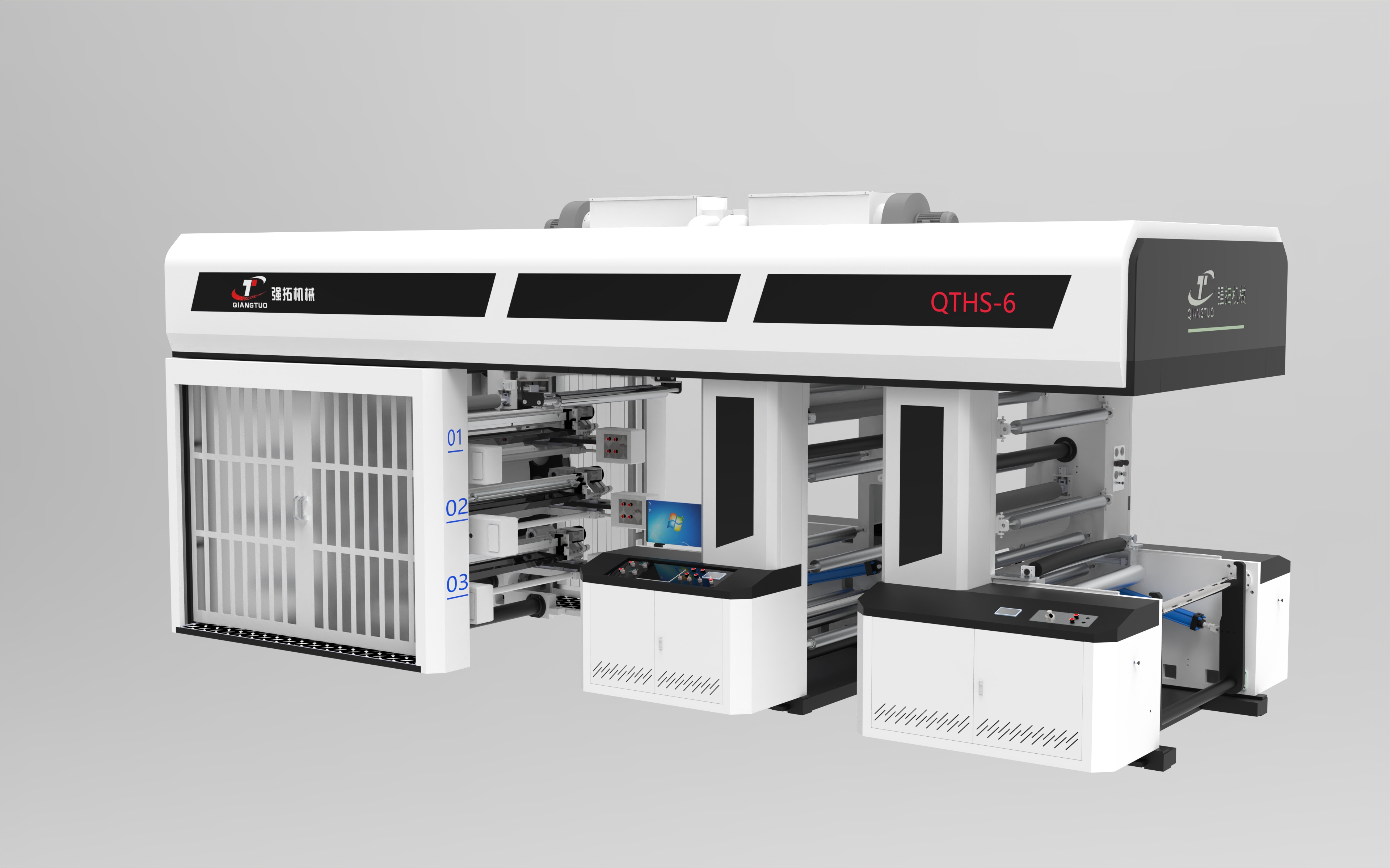
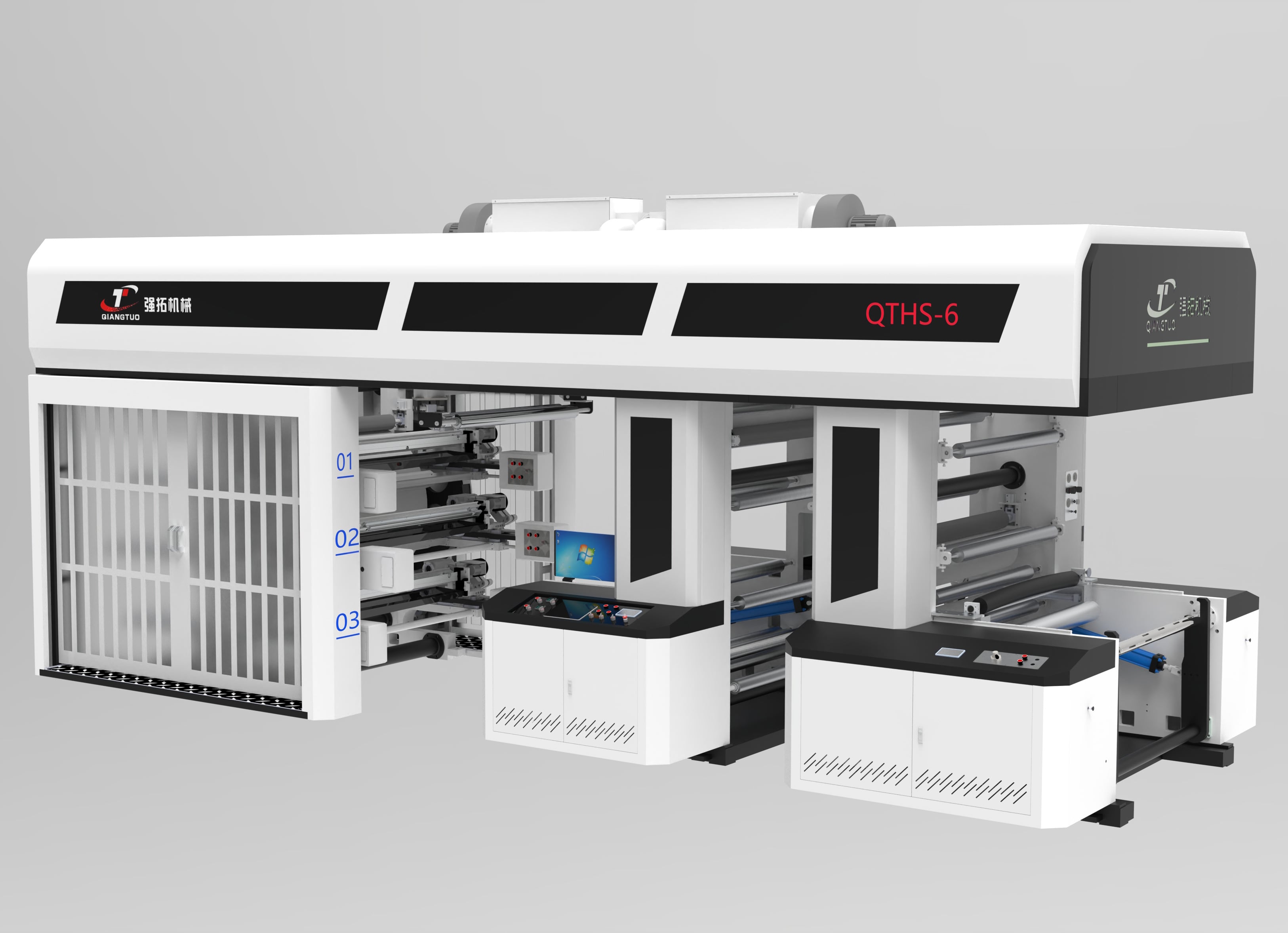
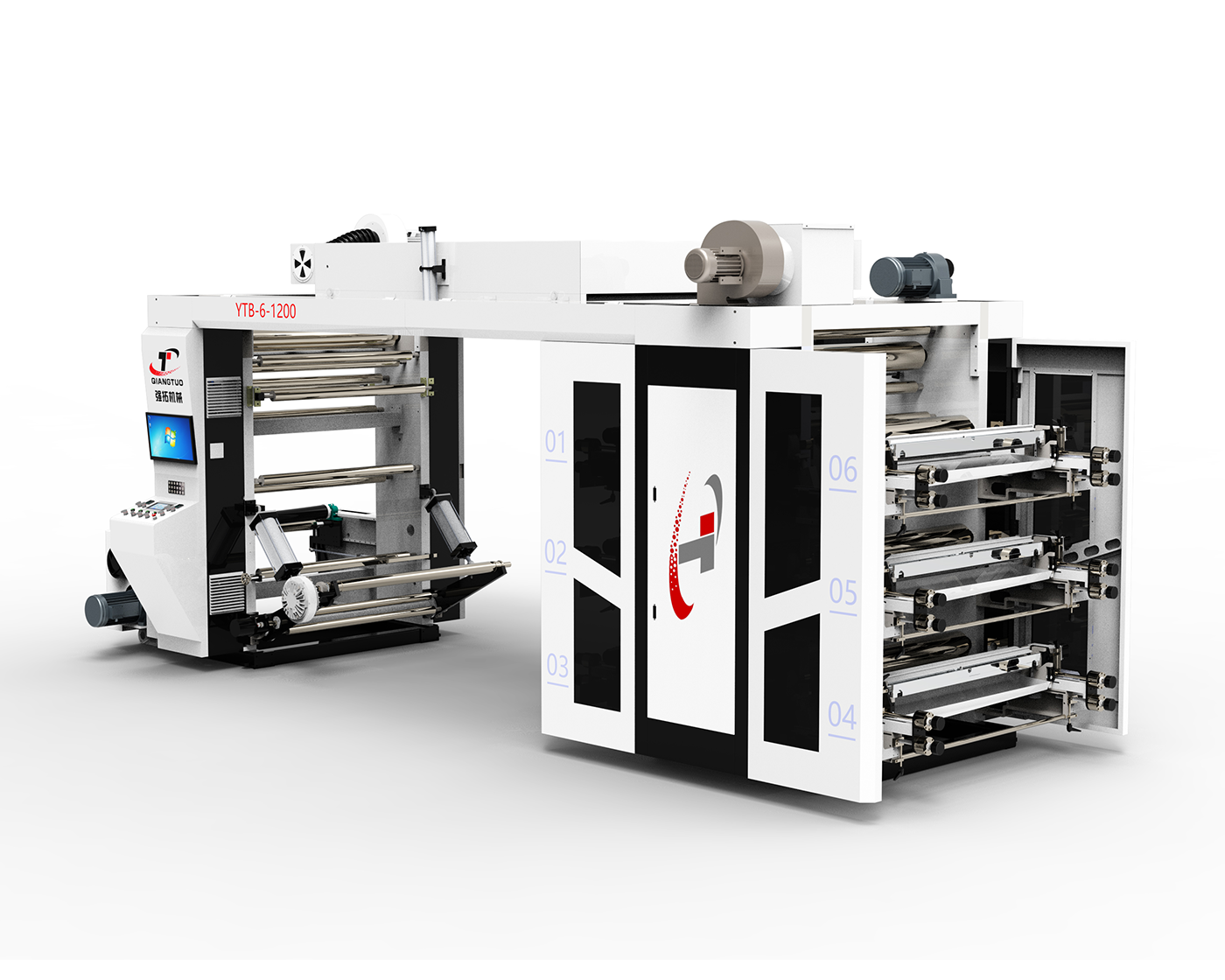
How Does a Gearless Full-Servo polythene bag printing machine Achieve ±0.1mm Registration Accuracy?
A registration figure is useful only when everyone agrees on what is being measured, on which material, and after what stabilization period. In a polythene bag printing machine, print-to-print alignment is not created by one setting. It is the result of a controlled relationship among the moving web, each printing unit, the register sensor, and the motion commands that follow the measured error.
From a PE film printing operator’s viewpoint, the practical question is not whether a press can display a ±0.1 mm target. The question is whether the job can hold that target through acceleration, steady running, splice events, and normal variation in film behavior. A gearless full-servo layout gives the control system more direct ways to coordinate those conditions, but it still needs correct job setup and verification.
Registration is a system result, not a single component claim
On a multi-colour flexographic press, each station must place its image in the intended position relative to the image from the other stations. Any change in repeat length, web tension, nip behavior, or phase relationship can appear as a register shift. That is why a polythene bag printing machine should be assessed as a connected process rather than as a list of isolated parts.
PE film makes that distinction especially important. Film may respond to changing draw, temperature, unwind diameter, ink and drying conditions, or tension settings. A register correction can move an image into position at the sensor, yet a changing web condition may alter the result further downstream. In other words, a responsive correction loop is valuable, but it works within the stability of the web path.
What gearless full-servo motion changes
In a conventional mechanical drive train, the relative motion of printing sections is tied to shared gears, shafts, and mechanical adjustment. A gearless configuration instead uses individually controlled servo axes. The controller can maintain a defined electronic relationship between the repeat reference and each print station, then alter the phase of an individual station when a valid register error is detected.
That architecture is useful for a Gearless polythene bag printing machine because phase correction does not require a mechanical gear change to be transmitted through the train. An encoder-based reference gives the controller a timing basis; each servo follows its commanded electronic ratio and phase. When register feedback indicates that a colour has moved, the system can command a measured positional adjustment to the relevant station.
“Full servo” should not be read as a promise that every job will automatically settle at the same result. It describes the ability to coordinate driven functions through controlled axes. The final registration outcome still depends on motion tuning, repeat data, plate and sleeve preparation, an appropriate tension recipe, and the stability of the film as it travels.
The feedback loop behind a ±0.1 mm target
A practical register loop has four linked stages: reference, detection, calculation, and correction. First, the control system needs a stable motion reference. Second, a register sensor or camera must detect a suitable printed mark. Third, the controller compares the measured mark position with the target position. Finally, it sends a phase correction to the applicable servo axis.
- Reference: The electronic line reference and repeat setting establish where each colour should arrive.
- Detection: A readable register mark gives the system a position signal. Mark design, contrast, print quality, and sensor setup all affect signal reliability.
- Calculation: The controller determines the difference between the actual and target positions, then applies its configured control rules.
- Correction: The selected servo axis changes phase by a controlled amount while the press continues to run or during a permitted correction window.
For a Full-Servo PE Bag Flexo Printer, this closed loop can shorten the path from measured error to controlled action. However, the displayed correction is only as trustworthy as the reference and sensor input. If the mark is inconsistent or the web is still changing length under varying tension, repeated corrections may chase a moving condition rather than resolve it.
Why web tension and material behavior remain central
Register control and tension control are closely connected. Industry guidance on flexographic tension control notes that poor tension regulation can limit a registration-control system, and that the system may need to wait for tension equalization before another corrective action. This is a useful operating principle for any polythene bag printing machine: do not interpret every visible register change as a station-position problem.
Before adjusting gain or repeatedly offsetting a colour, the operator should check whether the unwind, infeed, draw sections, and rewind are holding the intended tension pattern. Changes in roll build, wrinkles, edge wander, roller contamination, or a poor nip condition can affect the web path. If the material is stretching or relaxing between stations, a phase correction alone may provide only a temporary improvement.
Ink-process interaction matters as well. Drying conditions and print coverage can influence how the film behaves in the process. Those conditions do not invalidate servo control; they define the job window in which it has to operate. A sound commissioning discussion therefore begins with substrate type and thickness, repeat, colour count, artwork marks, ink system, speed range, and expected changeover frequency.
How to qualify the claimed accuracy on a real job
The ±0.1 mm figure in the topic should be treated as an acceptance target to validate, not as a universal result. A disciplined trial makes the statement meaningful. Define the measurement direction first: machine direction, cross direction, or both. Then define where measurements will be taken, how many samples are needed, the running speed, the material lot, and how long the press must remain stable before sampling.
| Verification point | Why it matters | What to record |
|---|---|---|
| Artwork and repeat data | Incorrect source data creates an apparent register issue before the web moves. | Approved repeat, colour sequence, and register-mark layout. |
| Sensor readability | A weak or inconsistent mark reduces feedback confidence. | Mark contrast, sensor position, and any missed reads. |
| Tension stability | Changing draw can change the distance between printed images. | Tension recipe, roll condition, and changes during the test. |
| Speed profile | Start-up and acceleration can differ from steady-state operation. | Test speed, ramps, and sampling period. |
| Measured register | The requirement needs an agreed measurement method. | Individual readings, direction, tolerance, and pass/fail rule. |
This approach makes a polythene bag printing machine evaluation more useful than a brief demonstration. It also separates configuration questions from operating questions: the press supplier can review motion and sensing capability, while the converter can confirm the actual substrate, artwork, and production conditions that define the test.
Configuration questions that should be answered early
- Which PE film grade, thickness range, and roll construction will be used?
- What repeat length, number of colours, print coverage, and register-mark design apply?
- Which sections are servo controlled, and what is the intended master-reference strategy?
- How is register measured in machine and cross directions for this press layout?
- What tension zones and operating speeds will be included in acceptance testing?
- What information will operators receive when a sensor loses a mark or when correction reaches its permitted limit?
These questions are not paperwork for its own sake. They convert broad interest in a polythene bag printing machine into a configuration review that can be checked during a sample run. They are also useful when frequent job changes are expected, because repeat setup, mark recognition, and tension recipes all influence how quickly stable production can begin.
Conclusion: connect the claim to the conditions
A gearless full-servo press supports fine registration by electronically synchronizing individual axes and allowing register feedback to correct phase at a specific station. Yet the mechanism reaches its intended value only when the reference is stable, the sensor sees a reliable mark, the web path is controlled, and the test method is agreed. For buyers comparing a polythene bag printing machine, the productive next step is to request a job-specific registration plan rather than rely on a number in isolation.
 Hot News