
 EN
Cur Rationes Sunt Quibus Convertores Globales Emballagiorum Ad Machinas Imprimendas Sacculos Polythene CI Anno 2027 Transire Incipiunt?
Haec quaestio supponit transmutationem universalem anno 2027, sed testimonia ad manum non confirmant hanc mutationem futuram esse. Quaestio utilior ad emptorem embalagiorum est cur machina imprimendi sacculos polythene impressionis centralis (CI) consideranda sit cum de futura capacitate consulitur. Responsum pendet ab actu pelliculae, arte, mixtura ordinum, et pretio totius processus operis—non ex praedictione sola.
Pro conversio quae comparat machinam ad imprimendum sacculos polythene CI cum prensa iam existente, punctum initiale est ipse opus. Filmum tenue cum graphicis multicoloribus aptis praebet difficultatem aliam ab ea quae in simpliciori dissignatione sacculorum occurrit. Neuter usus unam dispositionem prensae facit automatum electum.
Quid mutatur cum filmum circum cylindrum commune currit?
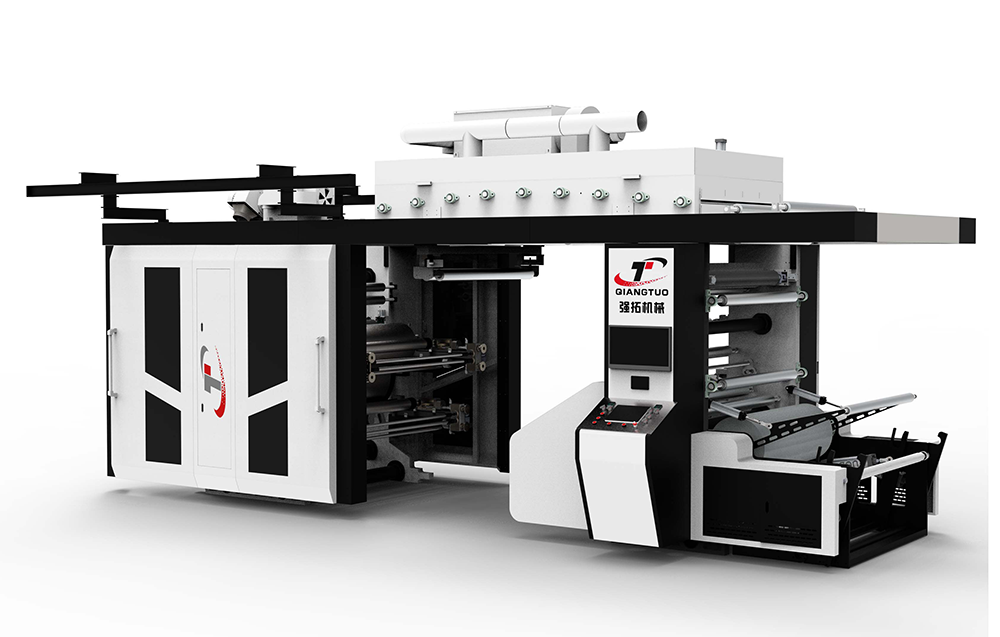
In prensa flexographica CI, stationes impressionis disponuntur circa cylindrum impressionis communem. Web subtenetur contra hunc cylindrum dum colores successivi applicentur. Haec dispositio potest adiuvare ad regendam positionem filmi flexibilis inter stationes impressionis, quare registratio est punctum sensibile investigandum cum dissignationes includunt minuta aut colores qui coniunguntur.
That mechanism is not a promise of a particular registration tolerance. Film properties, tension control, plate mounting, ink transfer, and machine setup all influence the result. Ask a supplier to explain the web path and show how the intended configuration handles the actual artwork. A polythene bag printing machine should be assessed with the material that will be used in production, not just a convenient demonstration film.
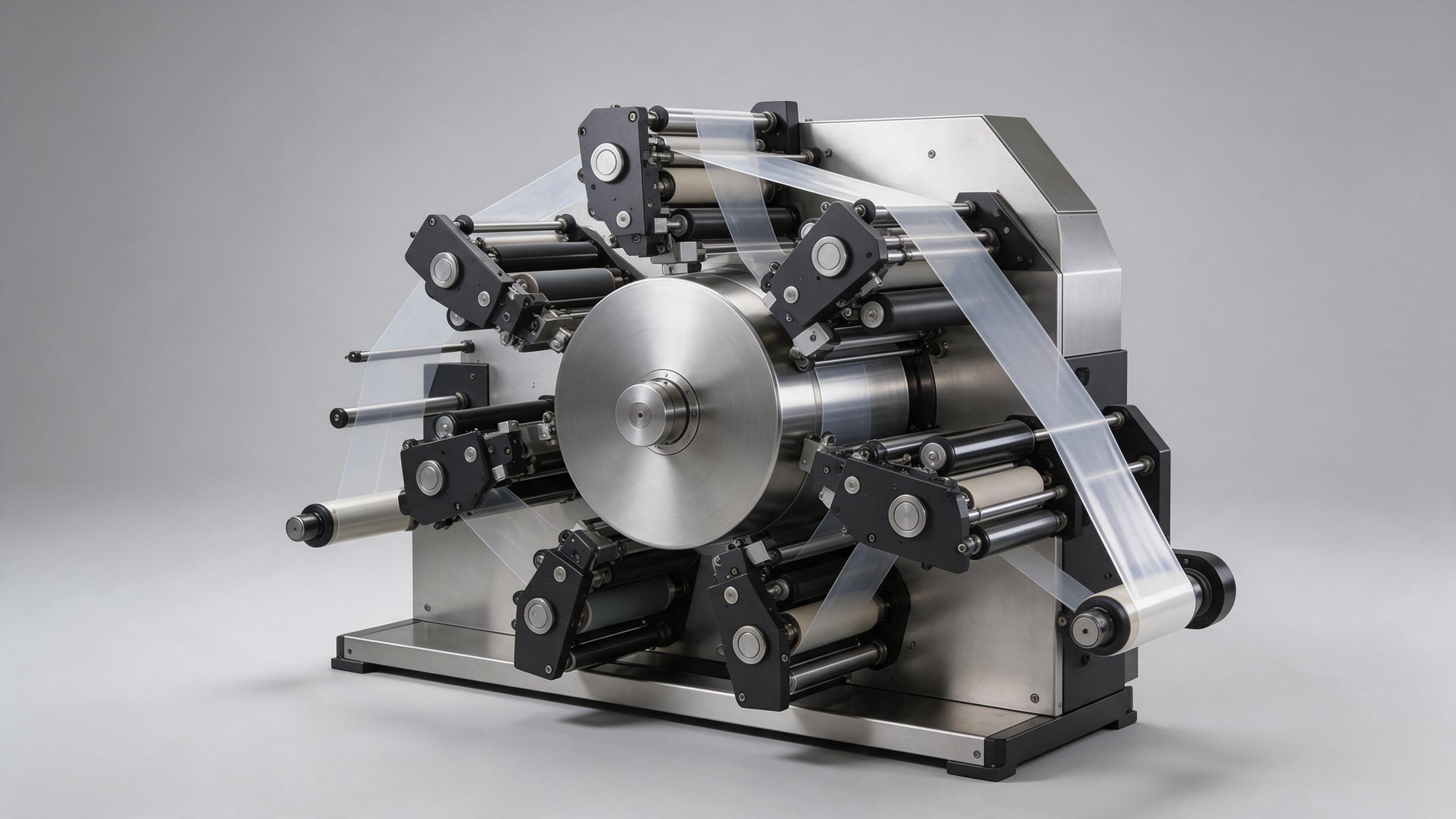
Why consider CI for polyethylene film?
Registration on flexible material
Polyethylene film can respond to tension and heat differently from a stiffer web. If the artwork needs adjacent colors to align closely, even a modest shift may be visible at the edges. A shared impression surface is one reason buyers may investigate CI; it does not remove the need to check tension from unwind through rewind.
Define acceptable color alignment with the customer before requesting a trial. Inspect the beginning, middle, and end of a run, and compare the printed result with the approved artwork. If a CI polythene bag printing machine is being considered, ask what operators can adjust when the film or roll changes.
Film treatment and ink adhesion
A stable web is only part of the job. The film surface and the ink system must work together. Surface treatment can alter film surface characteristics to support wetting and adhesion; the appropriate condition depends on the substrate, ink, storage, and application. Check the treatment level with the film and ink suppliers, then verify adhesion on printed samples.
A trial should also address drying and downstream conversion. Ask whether the intended ink and drying arrangement suit the film and its end use. For food-contact packaging, obtain the relevant material and ink documentation for the intended market and structure rather than assuming that any press or ink automatically qualifies.
Compare layouts on the same job mix
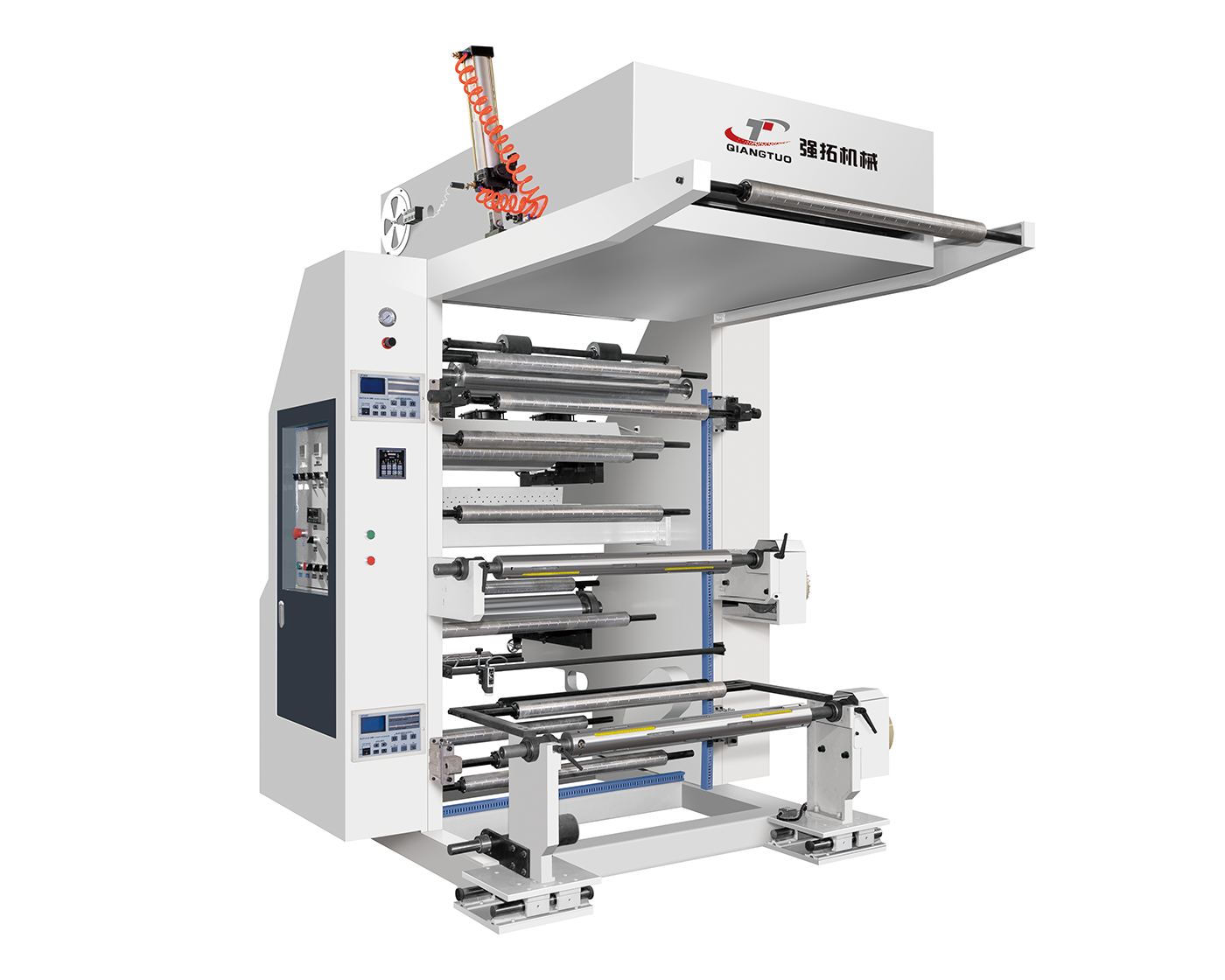
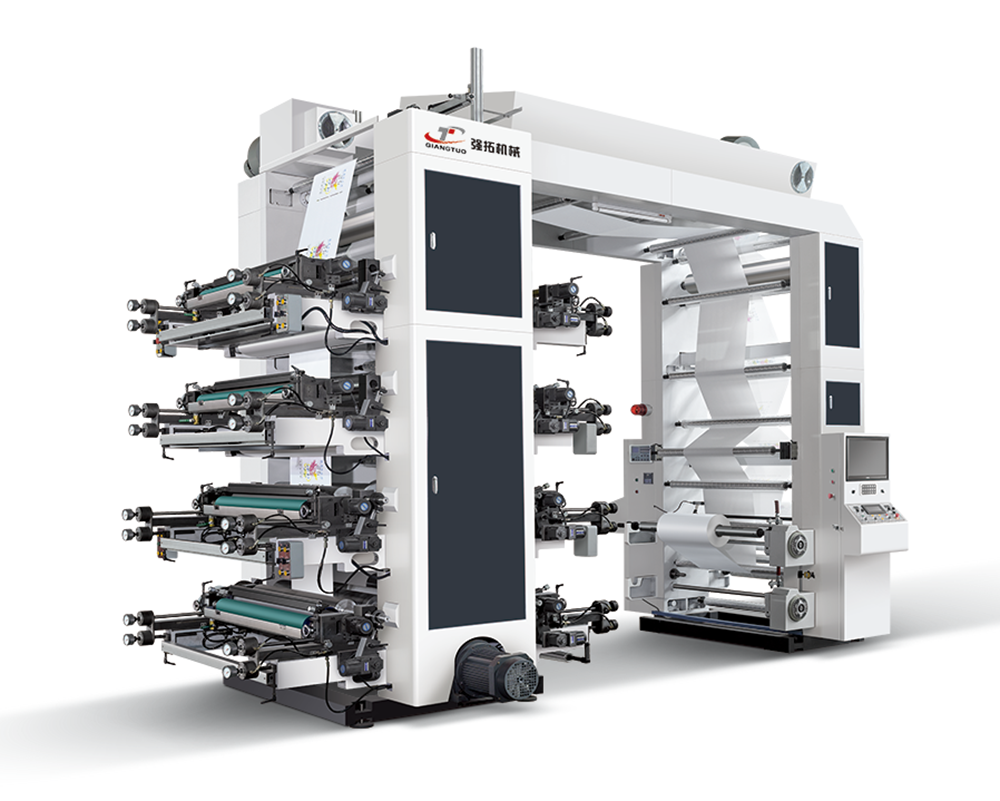
A CI polythene bag printing machine is not the only way to print flexible packaging. Stack and inline flexographic layouts may also be worth reviewing, depending on material, artwork, available floor space, job lengths, and the converting process. Do not compare a fully specified CI line with a bare press quotation and call the difference a technology comparison.
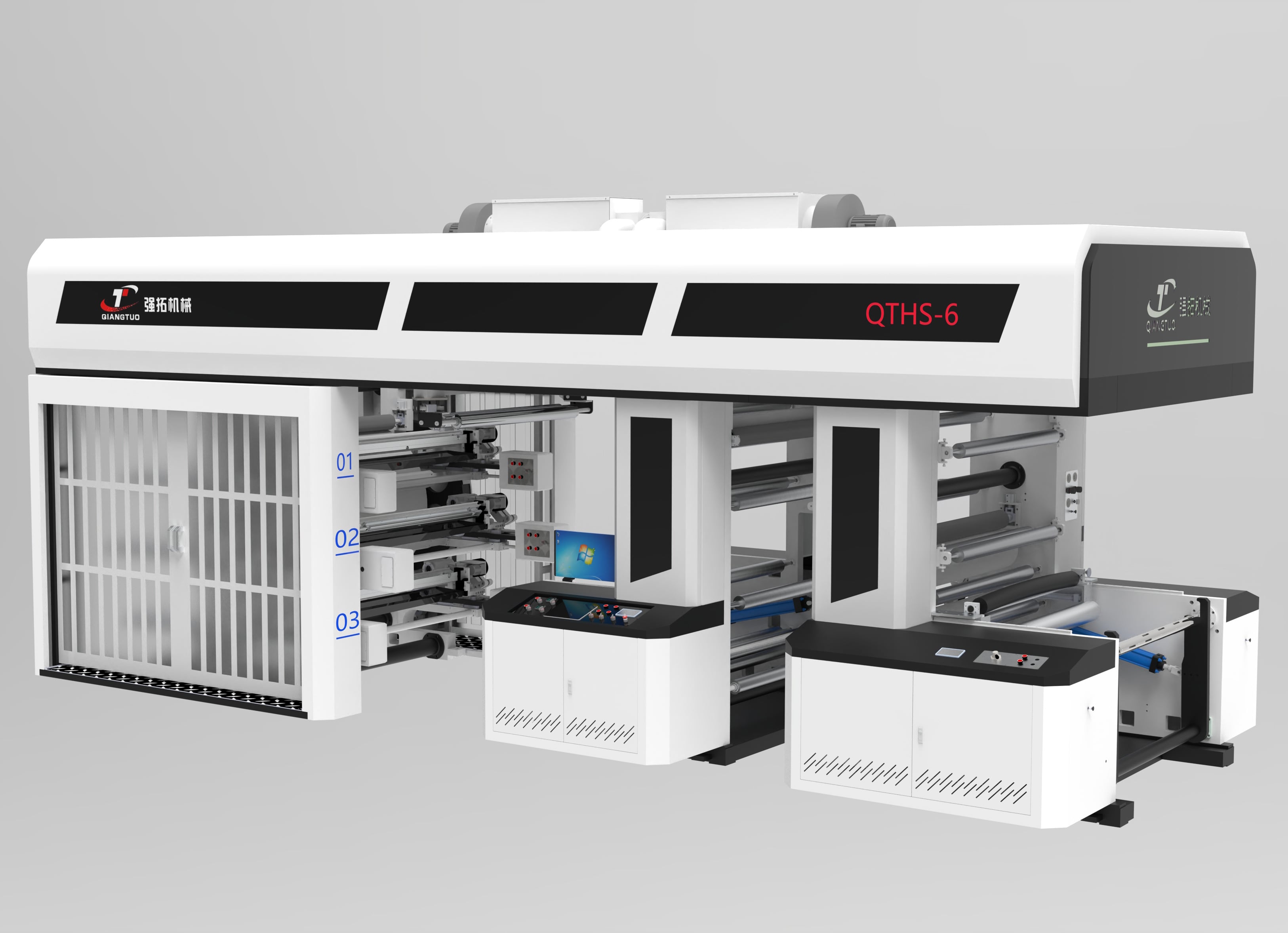
Set the same assumptions for each offer: film width and thickness, number of colors, print repeat, ink system, roll handling, inspection, drying, utilities, and installation. Then identify what is included and what remains optional. If a supplier offers a Central Impression PE Bag Flexo Printer, ask for its actual configuration rather than inferring capabilities from the product category name.
For a facility with frequent artwork changes, setup time and access for cleaning may matter as much as running speed. For longer repeat orders, a buyer may place more weight on maintaining acceptable print quality across the run. In either case, use the same acceptance criteria for each demonstration and document operator intervention as well as output.
Look beyond the quoted press speed
A headline speed says little without the film, artwork, ink, drying settings, and quality criteria behind it. Request a production-representative test and record both the speed achieved and the conditions under which the print is accepted. If the sample requires a slower run to meet the specification, use that result in the comparison.
The working cost of a polythene bag printing machine can include setup material, rejected print, ink and plate preparation, labor, energy, maintenance, and stoppages. Build a simple model from your own figures: accepted output per shift, material used during setup, planned job changes, and the quoted service scope. Separate initial investment from ongoing expenses; avoid treating a supplier's demonstration as proof of savings at your plant.
A practical trial and quotation checklist
- Send representative material. Identify film type, thickness, width, roll dimensions, treatment history, and any planned variation between suppliers.
- Share artwork and acceptance limits. Include color count, repeat, coverage, fine details, and how registration and adhesion will be judged.
- Specify the ink and finishing route. Discuss ink selection, drying, lamination or bag-making steps, and any end-use requirements with the relevant suppliers.
- Observe a changeover. Ask the team to show plate handling, wash-up, setting checks, and the time and material used for the agreed task.
- Compare operating scope. Review utilities, training, spare parts, remote support, installation, and the responsibilities excluded from each quotation.
- Approve evidence, not assumptions. Retain printed samples and the run conditions, and confirm any unresolved questions before an order is placed.
Consider an illustrative scenario: a converter has several polyethylene bag designs, including one with tight color alignment and another with a simple mark. Testing both helps reveal whether the proposed setup suits the actual mix. The scenario is a planning example, not a reported customer installation or a prediction of a 2027 market trend.
When might a CI investment make sense?
A CI polythene bag printing machine may be worth a closer look when the print specification, film behavior, and expected workload make supported multicolor printing relevant—and when a representative test supports the proposed configuration. A different layout may fit better if the designs, space, changeovers, or investment requirements point elsewhere.
Wenzhou Qiangtuo Machinery laborat in machinis imprimendis flexographicis pro applicationibus impacchandi. Ad disceptandum de machina imprimendi sacculos polythene, praepara primo specificationem materiae, opus graphicum, mixturam productionis, et criterium acceptationis. Haec omnia faciunt comparationem lineae propositae possibilem ex probatis exemplis tuae applicationis, non ex assertionibus non verificatis de eo quod industria faciet anno 2027.
 Nuntii Calidi