 EN
Why Are Global Packaging Converters Switching to CI woven bag printing machine Systems in 2027?
For a packaging converter, a woven bag printing machine is not simply a print unit purchase. It affects how PP woven webs are guided, how graphics are registered, how inks are dried, and how reliably an operator can move from one order to the next. That is why more procurement discussions now start with a system question: does a central-impression layout fit the jobs, materials, and operating routine on this site?
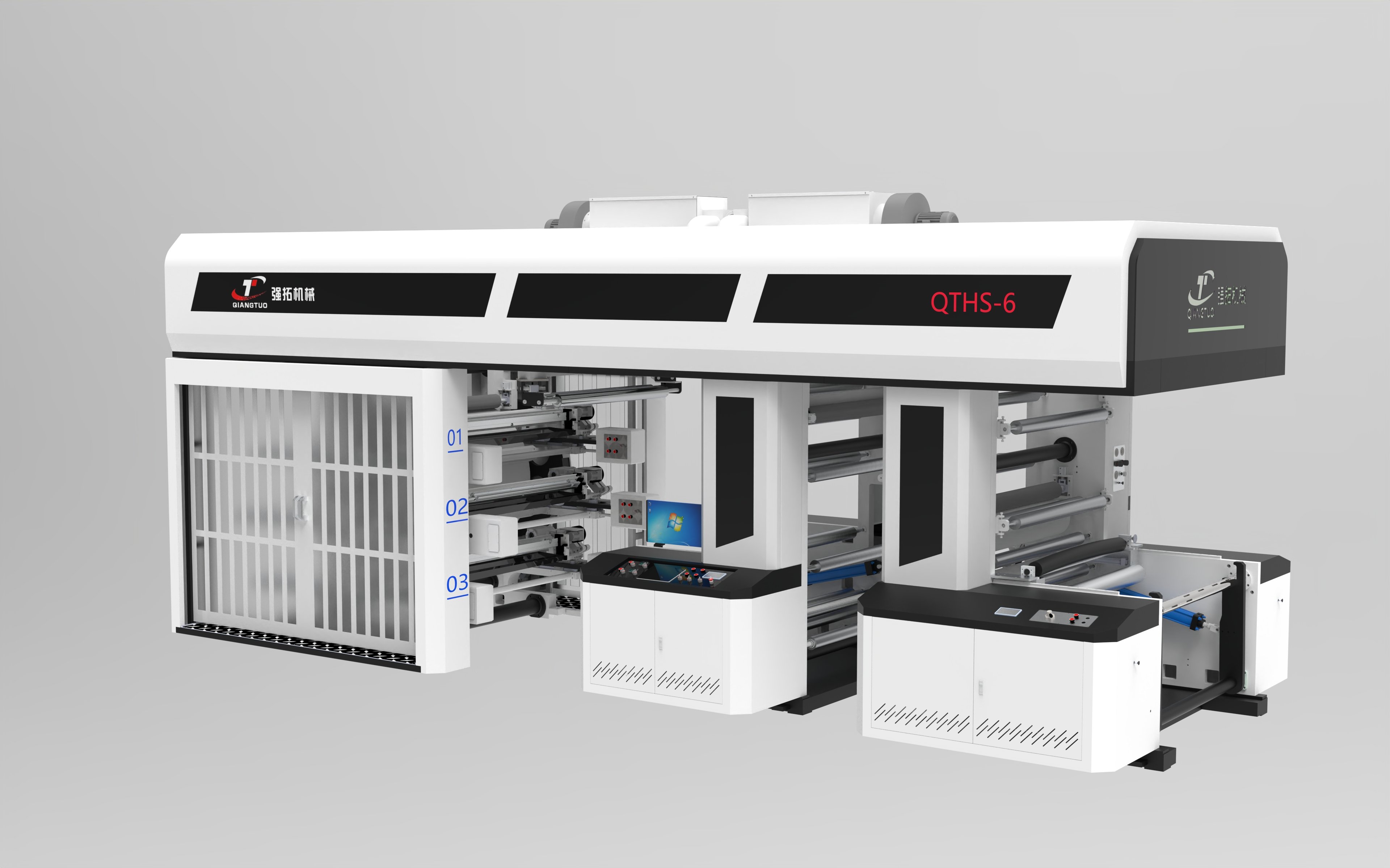
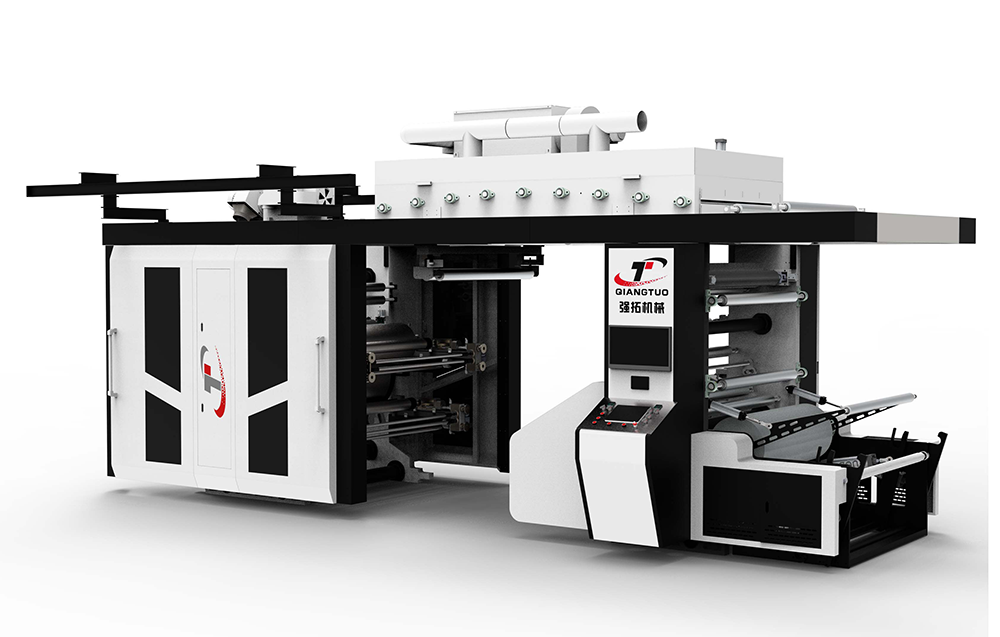
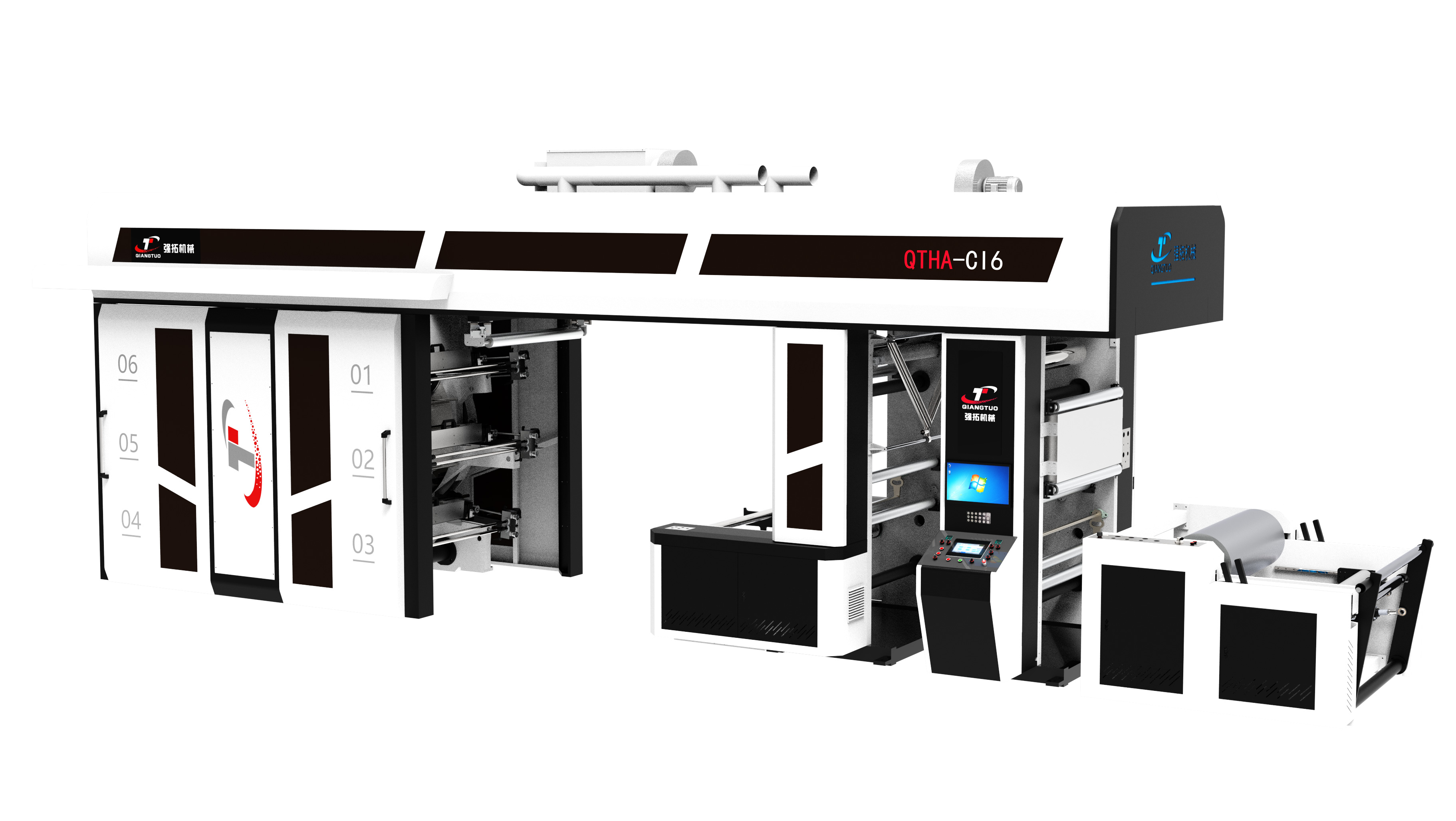
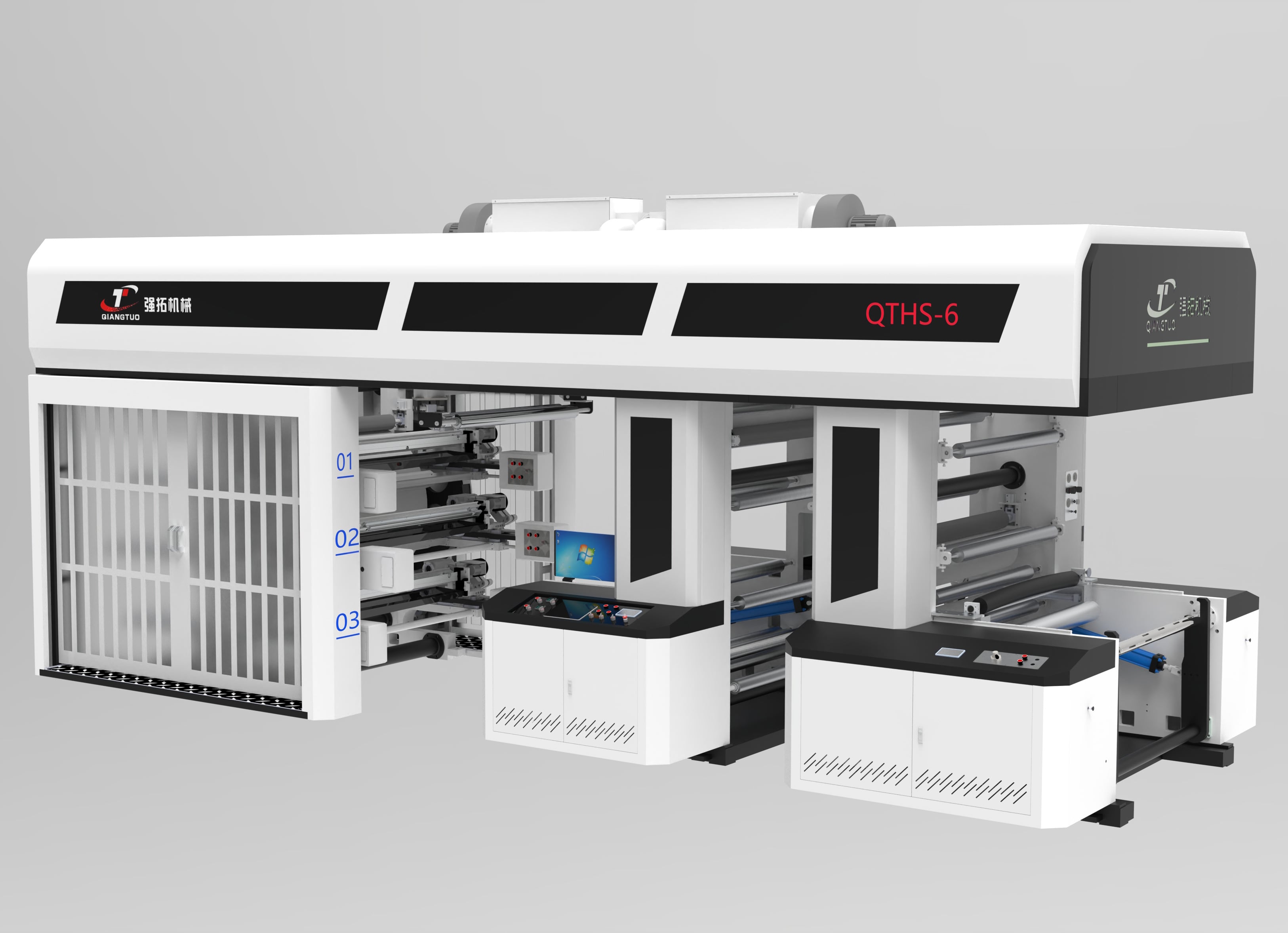
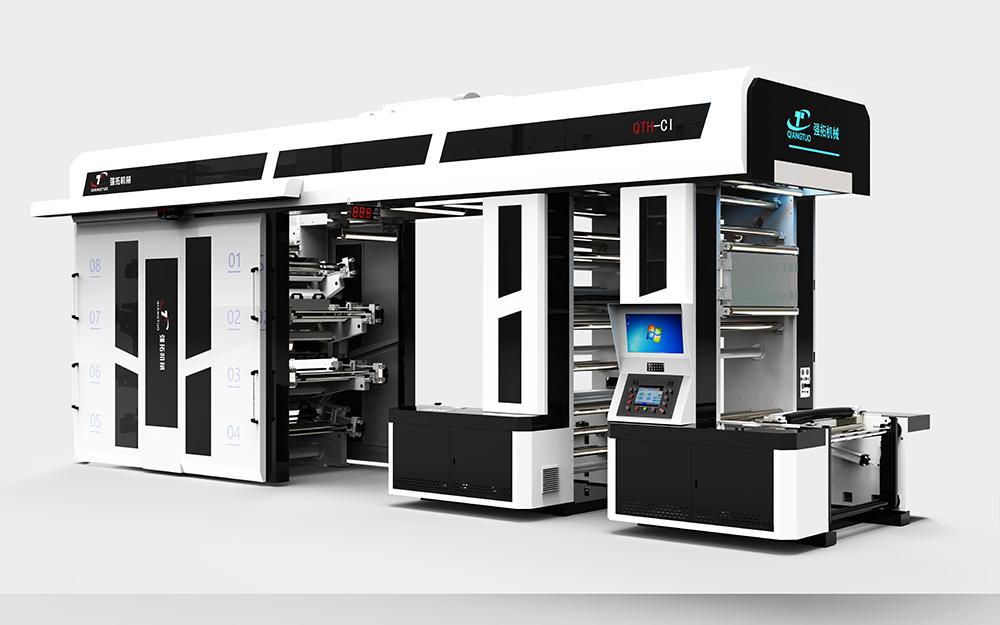
The phrase CI woven bag printing machine describes a central-impression flexographic arrangement in which printing units work around a common impression cylinder. The layout can be a relevant option for woven substrates because it gives the buyer a clear way to evaluate print stability alongside web control. It is not a universal answer. The practical value depends on the substrate, artwork, ink process, drying conditions, run mix, and the production team’s acceptance criteria.
Why the conversation is shifting from machine price to process control
Global converters are being asked to handle more than a single bag format or artwork pattern. A quotation that compares only the initial price of a woven bag printing machine can leave out the operational questions that determine whether the configuration is usable after installation. Buyers are therefore looking more closely at the connection between print quality expectations and routine production conditions.
Search results for this category often group PP and HDPE woven applications with flexographic printing and bag-making lines. That broad market framing is useful, but it does not settle a purchase decision. A converter still needs to separate the printing section from upstream and downstream interfaces, then define what the line must prove on its own materials.
- Which woven web construction, width range, and surface condition will be presented for evaluation?
- How will tension be controlled as the job moves through the press and into later bag-making steps?
- What registration tolerance does the artwork require, and how will it be checked during a run?
- Which ink and drying conditions are intended for the actual substrate rather than a generic sample?
What a CI woven bag printing machine changes in the evaluation
A CI woven bag printing machine changes the mechanical reference point that buyers review. Instead of treating each print station as an isolated feature, the team can ask how the common impression cylinder, web path, and print stations behave together. This makes the discussion more useful for applications where web behavior and registration need to be considered at the same time.
It is important to distinguish a central-impression arrangement from a claim that every job will produce the same result. Woven material can vary in surface texture, thickness, edge condition, and response to tension. A sound evaluation asks the supplier to explain the proposed conditions, show how adjustments are made, and agree on what will be observed during a trial. That approach is more dependable than relying on a brochure phrase or a color-count comparison.
Registration is a workflow question, not a headline claim
Registration concerns are often the first reason a converter investigates a Central Impression PP Woven Sack Printer. Yet registration is connected to several surrounding choices: artwork design, repeat requirements, plate preparation, web tracking, tension settings, operator practice, and inspection method. A buyer should describe the critical graphics and identify the point at which variation would affect bag acceptance.
For example, a logo placed close to a seam or a multi-color panel may need a different review conversation than a simple one-color mark. This is not a customer-case claim; it is a useful way to avoid having a generic test mistaken for proof of application fit. Ask to see how the test criteria are recorded, who signs off, and what adjustment path is available when the web does not behave as expected.
Five checks before changing a woven bag printing machine platform
- Map the job mix. List representative bag sizes, substrate constructions, artwork complexity, order lengths, and changeover frequency. A configuration appropriate for repeated long runs may need a different review from one serving frequent artwork changes.
- Define the web-handling questions. Discuss unwind condition, guiding, tension zones, and how the web will connect with the rest of the line. If these details are missing, a machine comparison is incomplete.
- Connect ink and drying to the real substrate. The supplier should receive the intended ink-system information and expected production conditions. Drying should be evaluated as part of the process, not as an isolated feature list.
- Set trial acceptance criteria before the trial. Agree on the sample material, artwork, observations, inspection points, and documentation before a test. This turns an impressive demonstration into a procurement-relevant evaluation.
- Review changeover and support scope. Ask what must be prepared between jobs, which tasks stay with the operator, and which technical clarifications must be resolved before order confirmation.
Why converters are using a lifecycle lens in 2027
The appeal of a CI woven bag printing machine is often part of a wider effort to make decisions with fewer unknowns. Purchasing, production, maintenance, and quality teams may prioritize different outcomes. A lifecycle review gives them a shared framework: expected jobs, operating conditions, handover needs, maintenance access, spare-part questions, and the evidence required before acceptance.
That does not mean every converter should replace an existing woven bag printing machine. A replacement discussion is justified when the current workflow no longer supports the materials, artwork requirements, changeover pattern, or verification process the business needs. In other cases, a clearer operating specification or a targeted process adjustment may be the more appropriate first step.
How to make a supplier discussion more useful
Bring a concise application brief rather than only a machine request. Include the woven material, bag format, artwork files or representative visuals, ink preference, intended production flow, quality criteria, and questions about training, maintenance, and commissioning. A supplier can then respond to the actual operating context instead of guessing at it.
Wenzhou Qiangtuo Machinery is positioned in flexographic printing equipment for packaging applications. For a woven-bag project, the constructive next conversation is a technical clarification of materials, artwork, workflow, and acceptance requirements—not an unverified promise about speed, output, or savings.
Conclusion: choose evidence over a generic configuration
In 2027, global converters are considering CI layouts because a woven bag printing machine decision increasingly depends on process control, traceable trials, and configuration fit. A CI woven bag printing machine may be relevant when its web-handling and registration approach aligns with the real bag application. The decisive step is to verify that fit with defined materials, documented criteria, and a production-team review before committing to a platform.
 Hot News