 EN
Why Are Global Packaging Converters Switching to CI polythene bag printing machine Systems in 2027?
The question assumes a worldwide switch in 2027, but the available evidence does not establish that such a shift will happen. A more useful question for a packaging buyer is why a central-impression (CI) polythene bag printing machine might merit consideration when planning future capacity. The answer depends on film behavior, artwork, order mix, and the cost of the entire workflow—not on a forecast alone.
For a converter comparing a CI polythene bag printing machine with an existing press, the starting point is the job itself. A thin film with close-fitting multicolor graphics presents a different challenge from a simpler bag design. Neither application makes one press layout the automatic choice.
What changes when the film runs around a common drum?
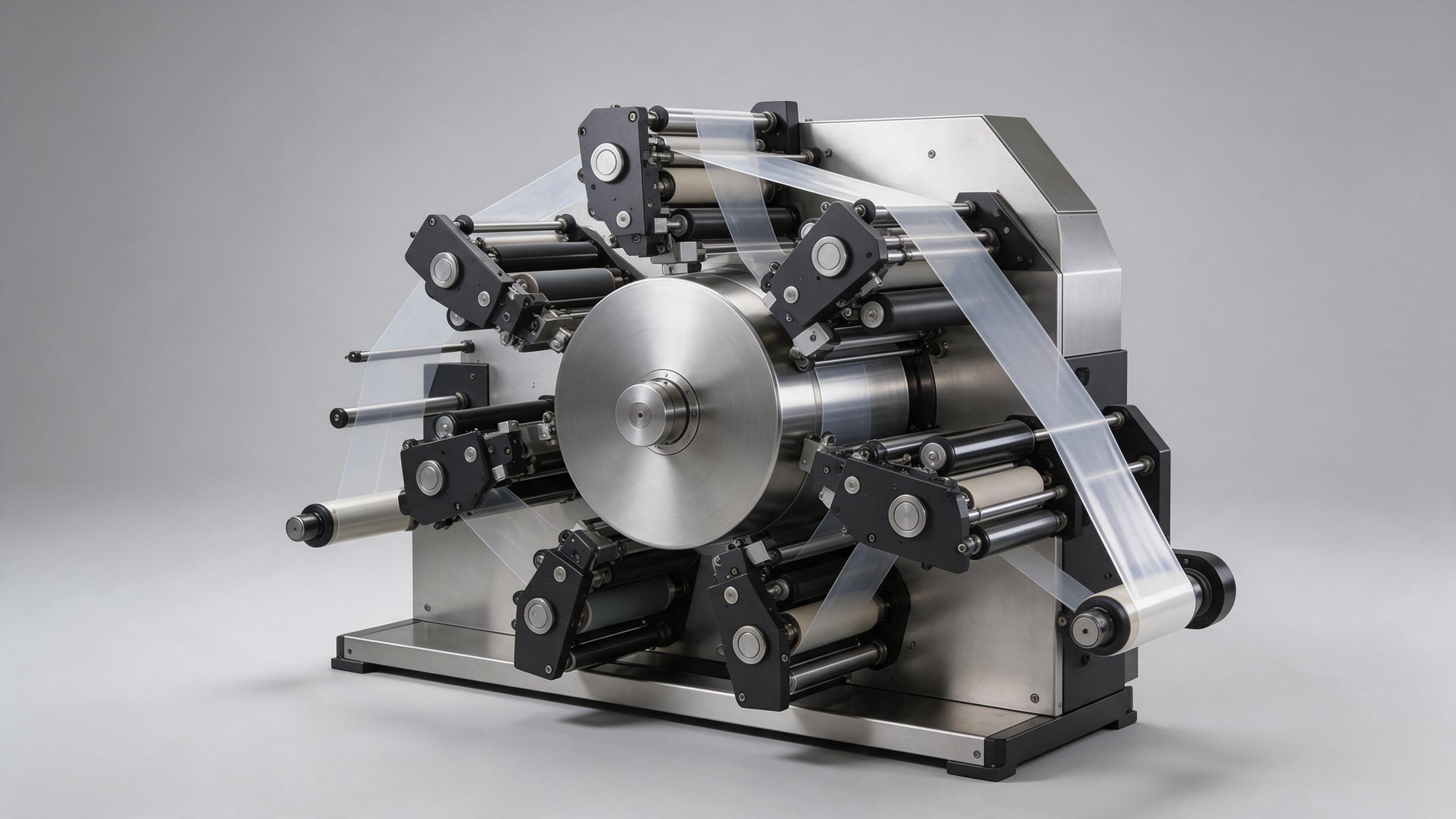
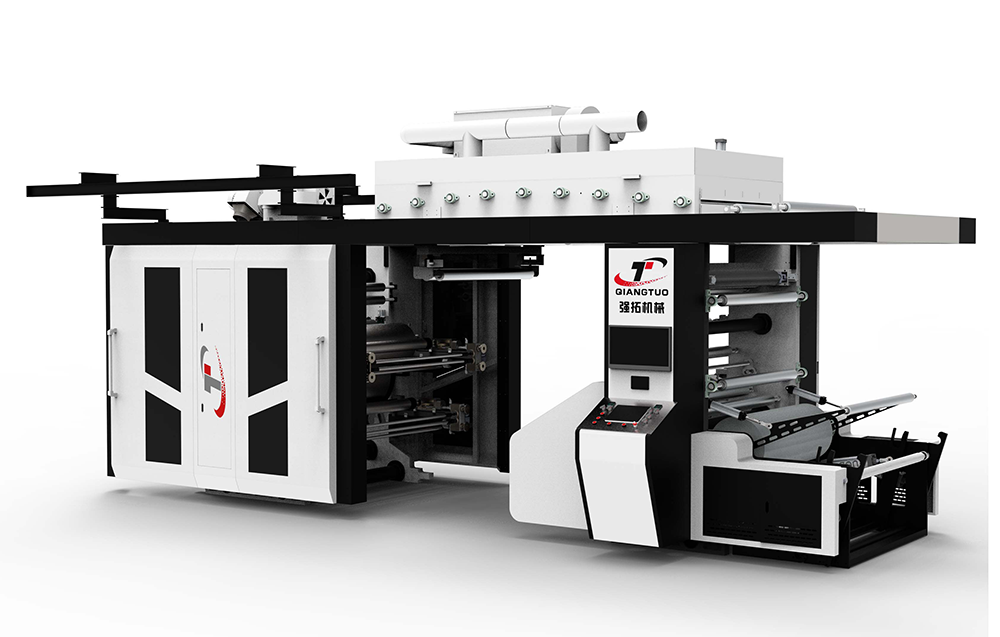
In a CI flexographic press, the print stations are arranged around a shared impression cylinder. The web is supported against that cylinder as successive colors are applied. This arrangement can help manage the position of a flexible film between print stations, which makes registration a sensible point to investigate when designs include fine details or colors that meet.
That mechanism is not a promise of a particular registration tolerance. Film properties, tension control, plate mounting, ink transfer, and machine setup all influence the result. Ask a supplier to explain the web path and show how the intended configuration handles the actual artwork. A polythene bag printing machine should be assessed with the material that will be used in production, not just a convenient demonstration film.
Why consider CI for polyethylene film?
Registration on flexible material
Polyethylene film can respond to tension and heat differently from a stiffer web. If the artwork needs adjacent colors to align closely, even a modest shift may be visible at the edges. A shared impression surface is one reason buyers may investigate CI; it does not remove the need to check tension from unwind through rewind.
Define acceptable color alignment with the customer before requesting a trial. Inspect the beginning, middle, and end of a run, and compare the printed result with the approved artwork. If a CI polythene bag printing machine is being considered, ask what operators can adjust when the film or roll changes.
Film treatment and ink adhesion
A stable web is only part of the job. The film surface and the ink system must work together. Surface treatment can alter film surface characteristics to support wetting and adhesion; the appropriate condition depends on the substrate, ink, storage, and application. Check the treatment level with the film and ink suppliers, then verify adhesion on printed samples.
A trial should also address drying and downstream conversion. Ask whether the intended ink and drying arrangement suit the film and its end use. For food-contact packaging, obtain the relevant material and ink documentation for the intended market and structure rather than assuming that any press or ink automatically qualifies.
Compare layouts on the same job mix
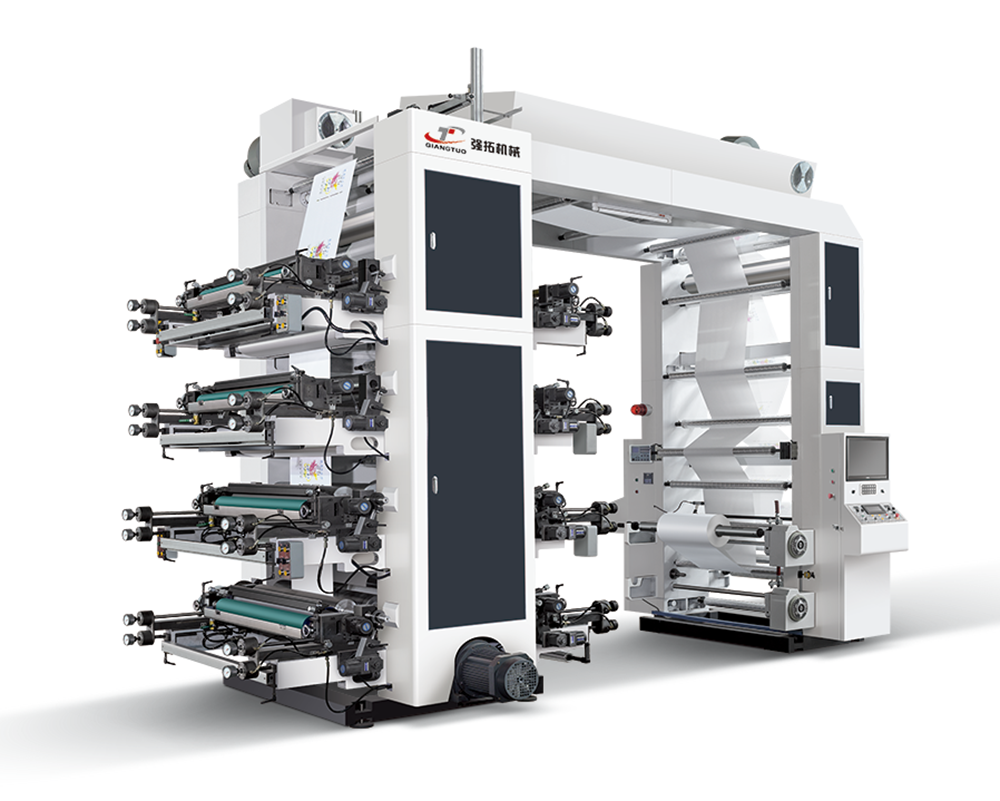
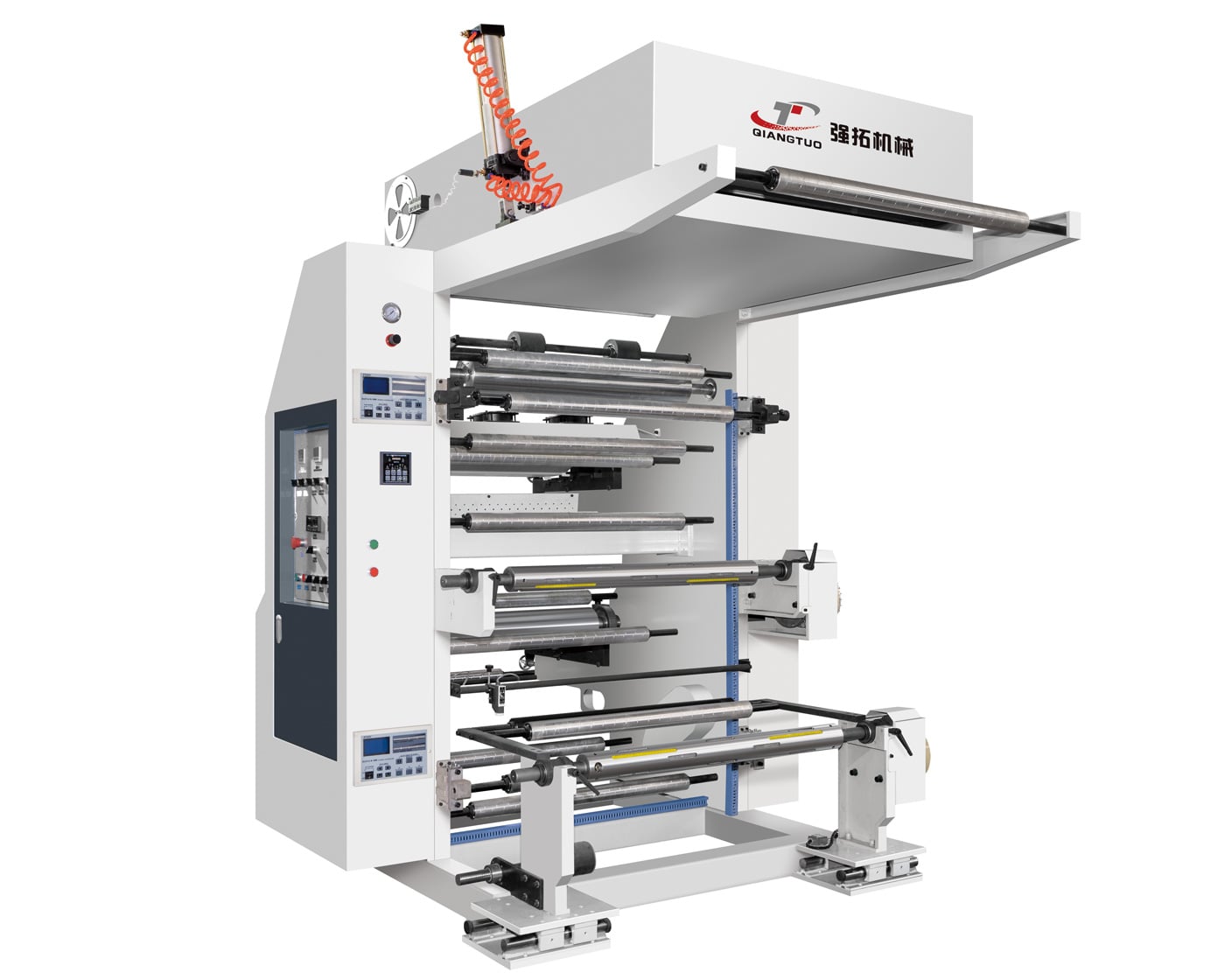
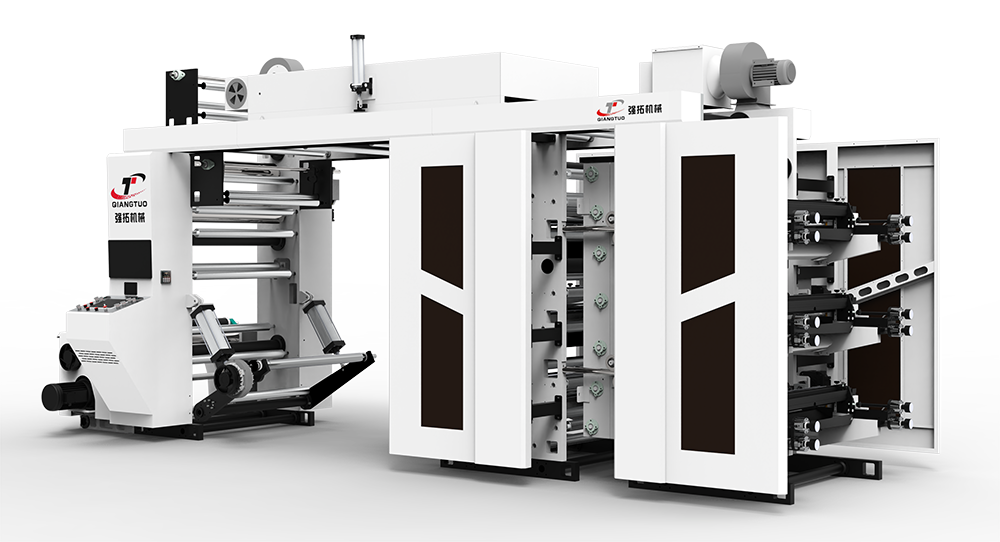
A CI polythene bag printing machine is not the only way to print flexible packaging. Stack and inline flexographic layouts may also be worth reviewing, depending on material, artwork, available floor space, job lengths, and the converting process. Do not compare a fully specified CI line with a bare press quotation and call the difference a technology comparison.
Set the same assumptions for each offer: film width and thickness, number of colors, print repeat, ink system, roll handling, inspection, drying, utilities, and installation. Then identify what is included and what remains optional. If a supplier offers a Central Impression PE Bag Flexo Printer, ask for its actual configuration rather than inferring capabilities from the product category name.
For a facility with frequent artwork changes, setup time and access for cleaning may matter as much as running speed. For longer repeat orders, a buyer may place more weight on maintaining acceptable print quality across the run. In either case, use the same acceptance criteria for each demonstration and document operator intervention as well as output.
Look beyond the quoted press speed
A headline speed says little without the film, artwork, ink, drying settings, and quality criteria behind it. Request a production-representative test and record both the speed achieved and the conditions under which the print is accepted. If the sample requires a slower run to meet the specification, use that result in the comparison.
The working cost of a polythene bag printing machine can include setup material, rejected print, ink and plate preparation, labor, energy, maintenance, and stoppages. Build a simple model from your own figures: accepted output per shift, material used during setup, planned job changes, and the quoted service scope. Separate initial investment from ongoing expenses; avoid treating a supplier's demonstration as proof of savings at your plant.
A practical trial and quotation checklist
- Send representative material. Identify film type, thickness, width, roll dimensions, treatment history, and any planned variation between suppliers.
- Share artwork and acceptance limits. Include color count, repeat, coverage, fine details, and how registration and adhesion will be judged.
- Specify the ink and finishing route. Discuss ink selection, drying, lamination or bag-making steps, and any end-use requirements with the relevant suppliers.
- Observe a changeover. Ask the team to show plate handling, wash-up, setting checks, and the time and material used for the agreed task.
- Compare operating scope. Review utilities, training, spare parts, remote support, installation, and the responsibilities excluded from each quotation.
- Approve evidence, not assumptions. Retain printed samples and the run conditions, and confirm any unresolved questions before an order is placed.
Consider an illustrative scenario: a converter has several polyethylene bag designs, including one with tight color alignment and another with a simple mark. Testing both helps reveal whether the proposed setup suits the actual mix. The scenario is a planning example, not a reported customer installation or a prediction of a 2027 market trend.
When might a CI investment make sense?
A CI polythene bag printing machine may be worth a closer look when the print specification, film behavior, and expected workload make supported multicolor printing relevant—and when a representative test supports the proposed configuration. A different layout may fit better if the designs, space, changeovers, or investment requirements point elsewhere.
Wenzhou Qiangtuo Machinery works in flexographic printing equipment for packaging applications. To discuss a polythene bag printing machine, prepare the material specification, artwork, production mix, and acceptance criteria first. Those details make it possible to compare a proposed line on evidence from your own application, rather than on an unverified claim about what the industry will do in 2027.
 Hot News