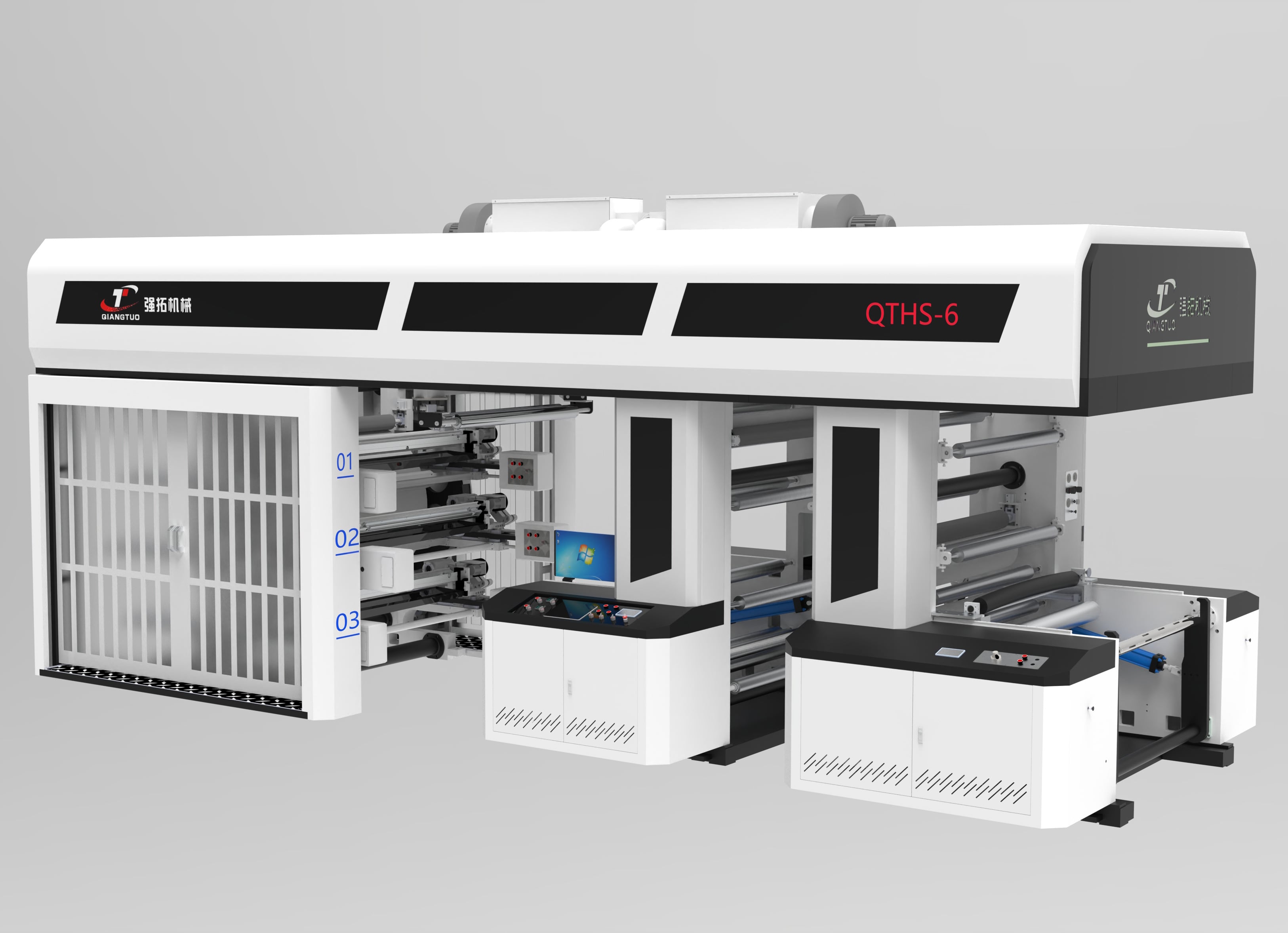
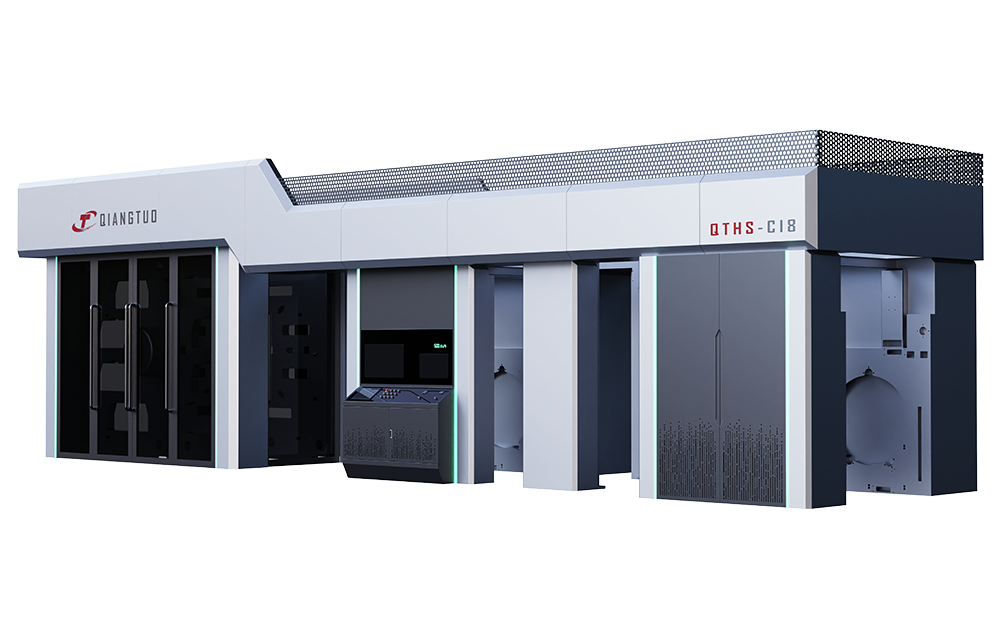
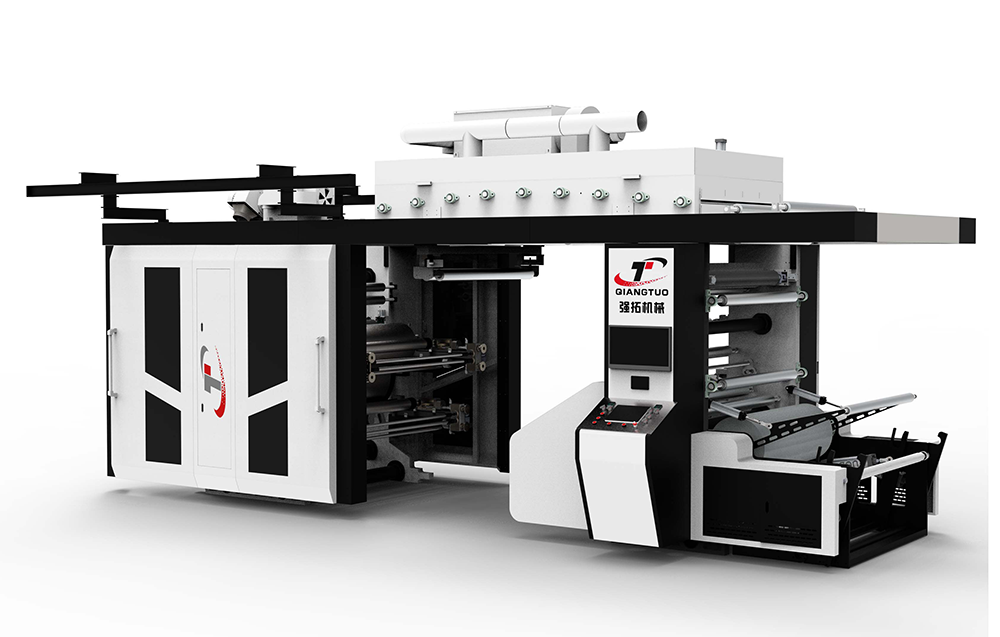
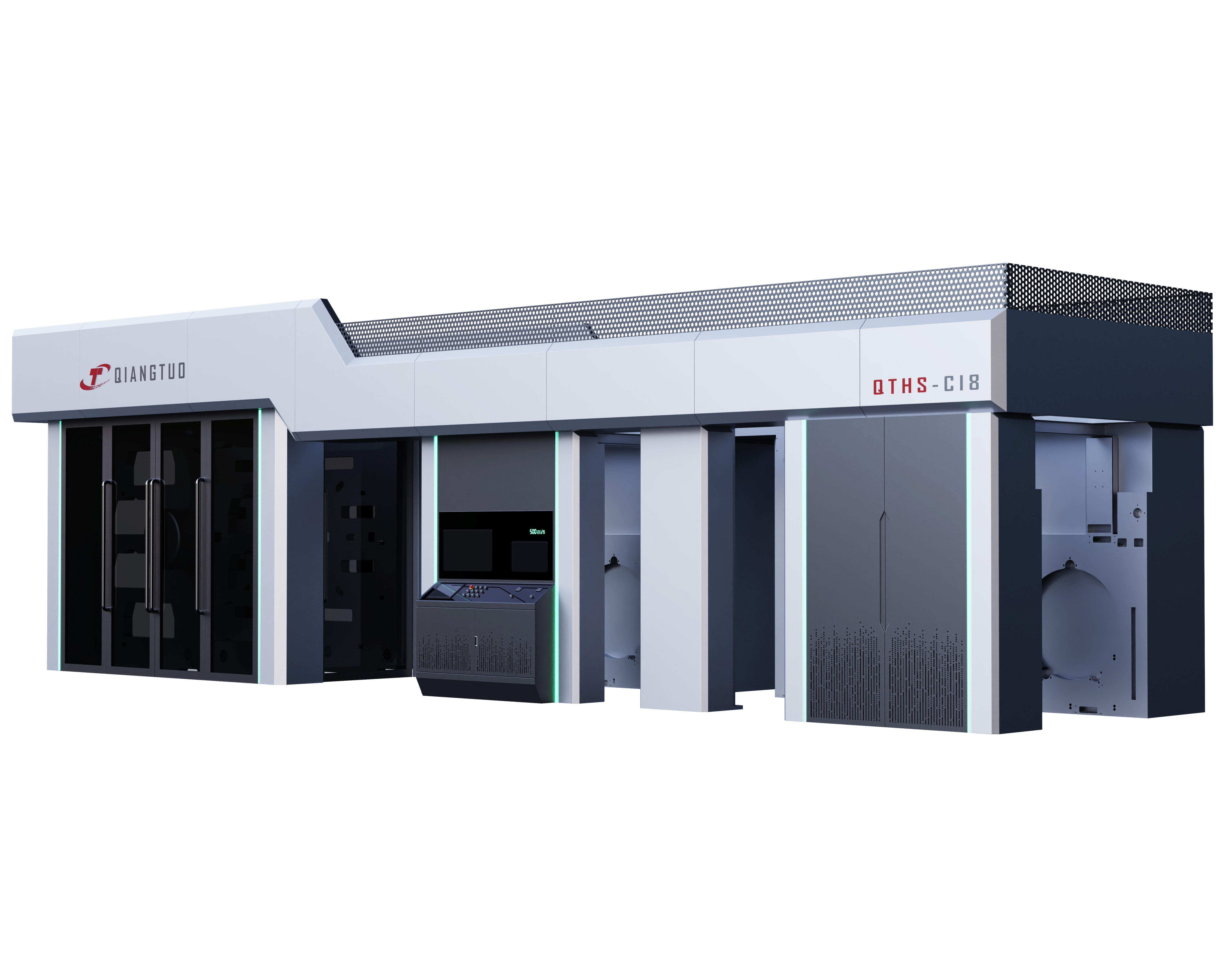
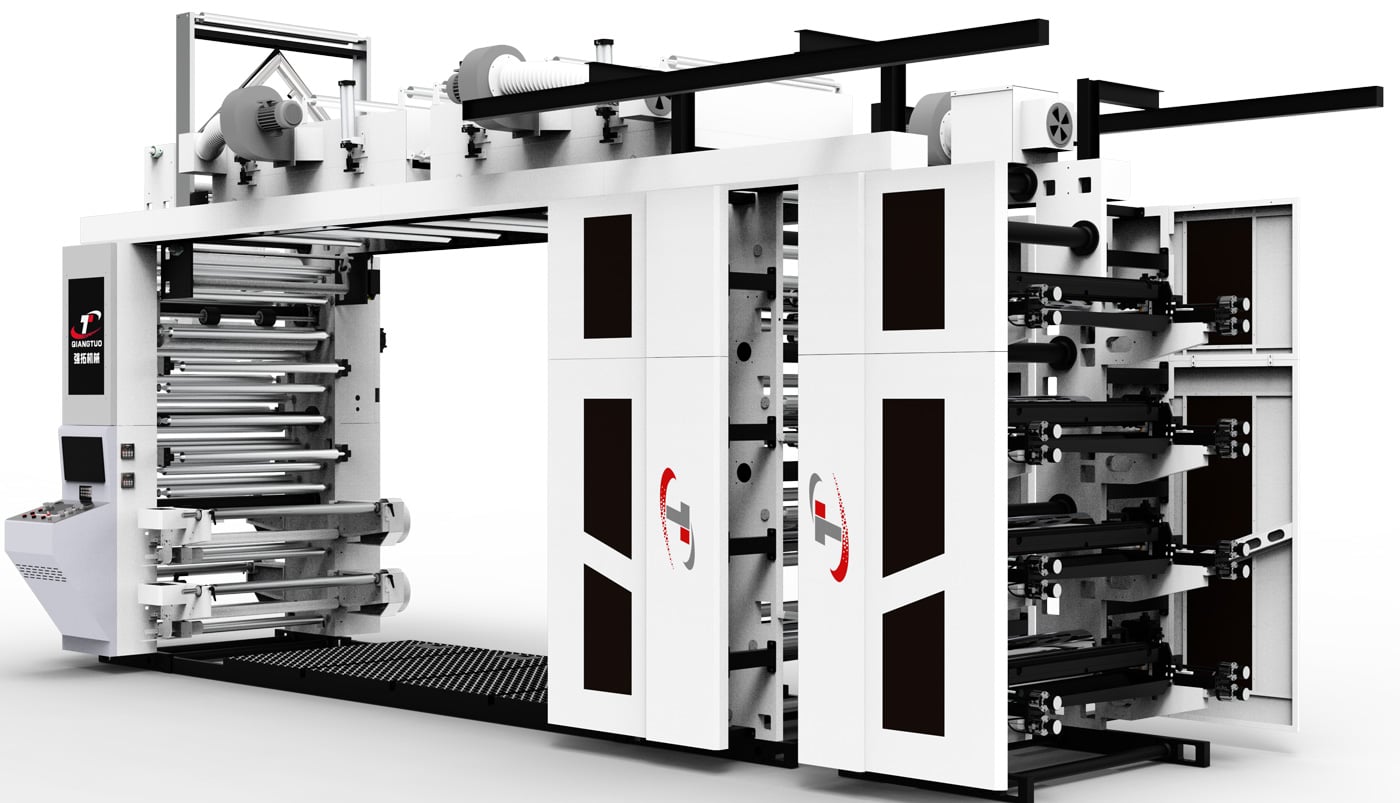
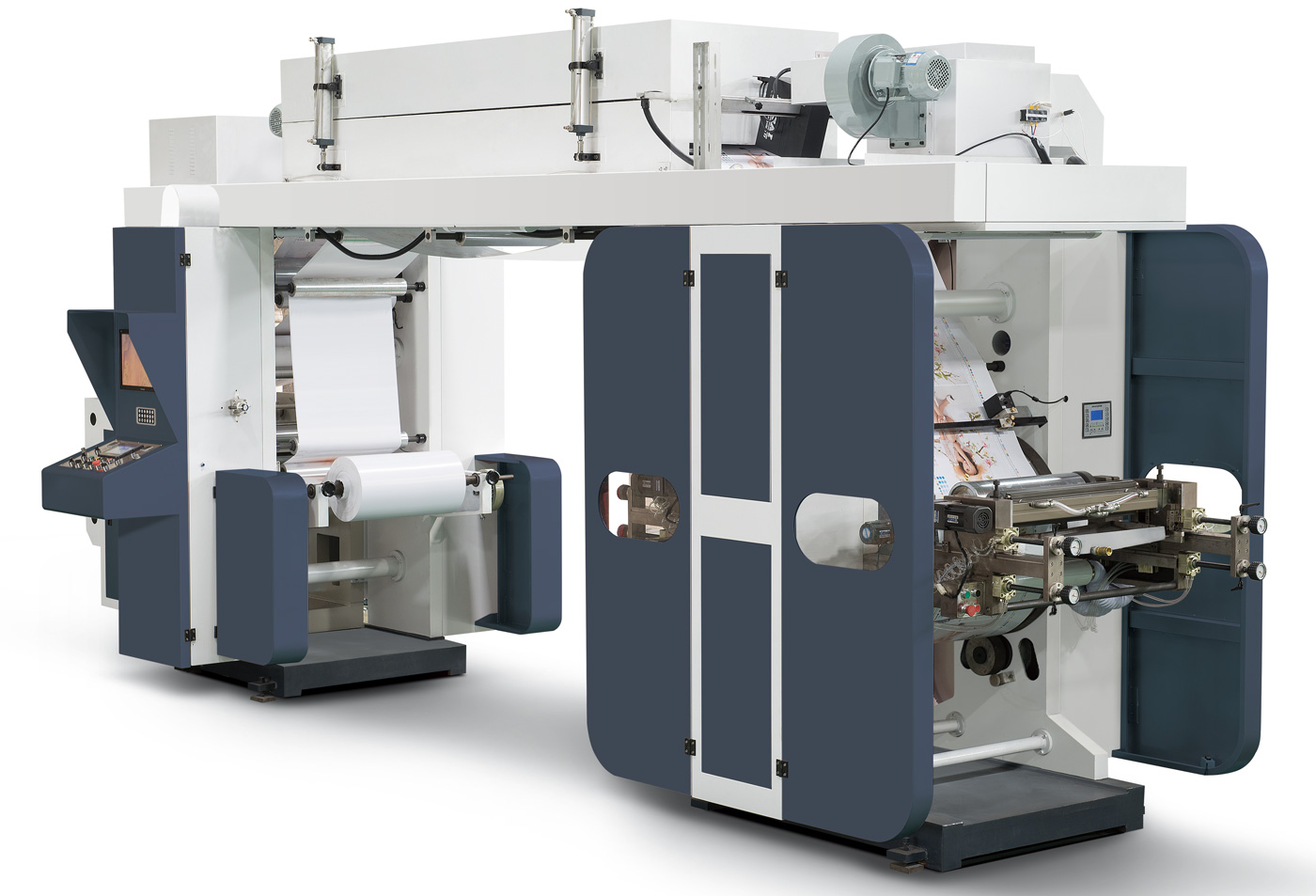
The 2026 printing industry trend reviews list AI, automation, personalisation and labour challenges as the year's main themes. Among these, the labour challenge hits the flexo shop floor most directly — it is changing how buyers evaluate equipment: from "what is the top speed" to "how quickly can a newcomer set up an acceptable job".
Traditional flexo setup depends heavily on experience: pressure setting, ink viscosity, drying temperature and registration correction usually sit with a few senior pressmen. The model works while staff stay, but carries three structural risks. Training cycles are long — a pressman who can independently handle complex substrates typically needs years. Knowledge does not accumulate in the system — when people leave, experience leaves. And capacity is capped by people — the same press can produce visibly different quality under different shifts. China's printing and binding industry is expected to reach RMB 485 billion in total output in 2026, up about 3.2% (inwwin.com.cn, 2026-10-19); in slow growth, a rising labour-cost share squeezes profit more visibly.
Direction one, recipe-based parameters: storing the settings for each substrate, ink and product as callable recipes recalled with one touch at changeover. This requires sufficient storage capacity and parameter granularity in the control system — and repeatable mechanical adjustment precision, because if pressure adjustment itself is not repeatable, recipes are meaningless.
Direction two, automatic registration and edge guiding: full-servo drives with automatic registration continuously correct inter-deck position during running, while automatic edge guides handle lateral web drift, handing work that once demanded constant pressman intervention to the system.
Direction three, remote operation and status visibility: remote visibility of running status, alarm history and key parameters lets the manufacturer's engineers diagnose problems without being on site. For overseas customers this capability is amplified — it directly determines downtime length.
One common misunderstanding needs clearing: automation level and drive architecture are different things. Semi-servo machines use servo on key axes while keeping a mechanical transmission backbone, balancing cost and performance — still a rational choice for budget-limited buyers or those whose first priority is stable production. Full servo's advantage lies in adjustment flexibility and the precision of gearless transmission, but investment and electrical maintenance demands are higher. The deciding factor is order mix: frequent changeovers, many versions and wide substrate spans shorten full-servo payback; long stable runs are equally well served by semi-servo with good recipe management.
 Hot News
2025-06-14
2025-06-15
2025-06-16
 EN